When to visit Bothnian Bay National Park?
The Bothnian Bay National Park is one of the most difficult national parks in Finland to access. The sea is present everywhere in the park – in the waves breaking on the shore, in the marine species, and as part of the area’s history. A visit to the national park is completely different in summer and winter, both in terms of the experience and how the visit is carried out. Here are some tips on when to visit the Bothnian Bay and how to plan your trip.
In recent years, the annual number of visits to Bothnian Bay National Park has been slightly over six thousand. In 2025, approximately 6,300 visits were made to the national park.
Summer (June–August)
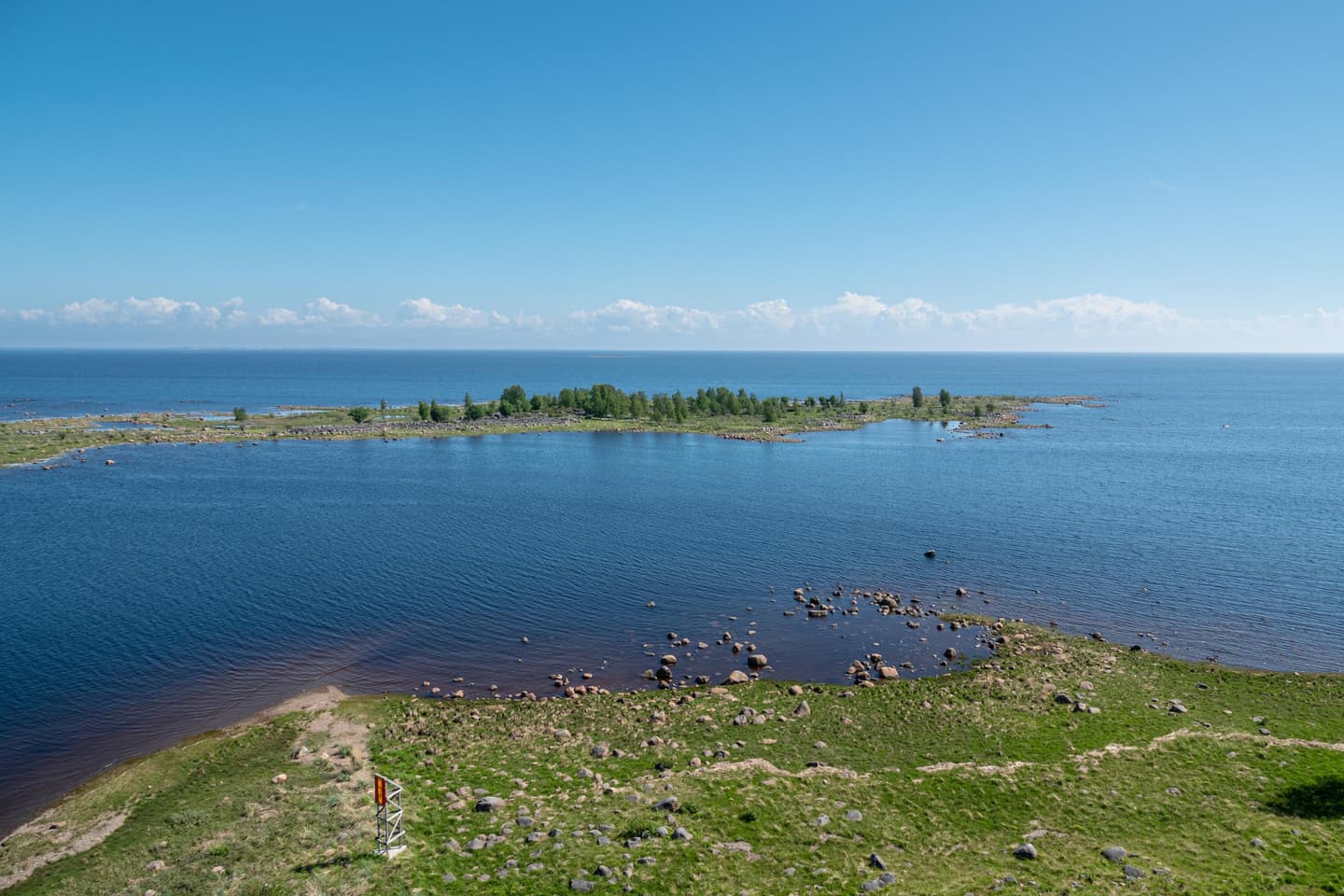
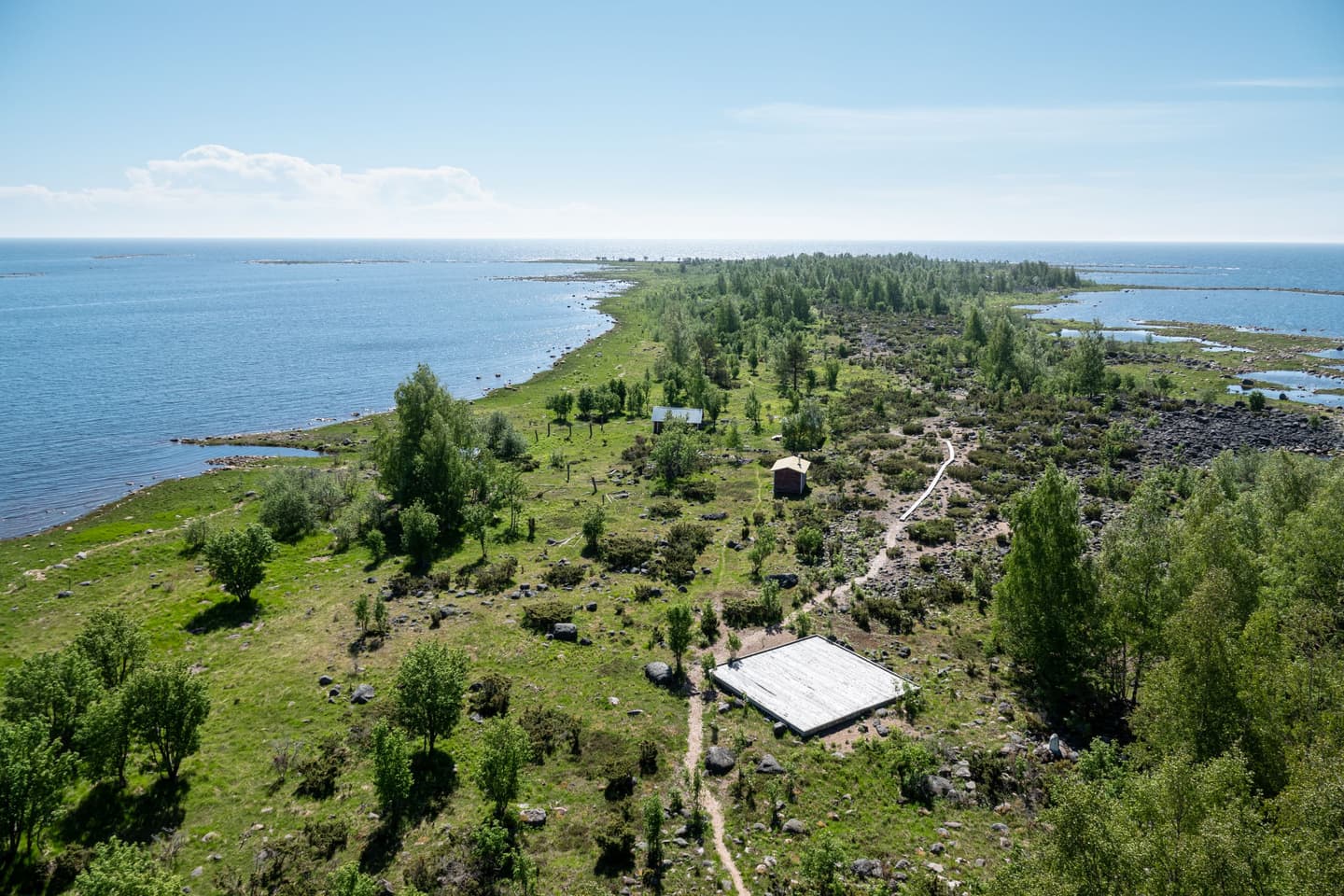
Why visit: The Bothnian Bay National Park is at its most beautiful in summer. The park’s deciduous tree–dominated islands burst into lush greenery, many plant species are in bloom, and migratory birds have begun nesting. The Siberian primrose (Primula nutans) featured in the park’s emblem is a rare early-summer flower that thrives only on the low-growing coastal meadows of the Bothnian Bay region, and few nature enthusiasts have had the chance to admire it in the wild. The restored former fishing bases on Pensaskari and Selkä-Sarvi islands offer a rich insight into the area’s history, and the sauna on Selkä-Sarvi provides a truly unique sauna experience.
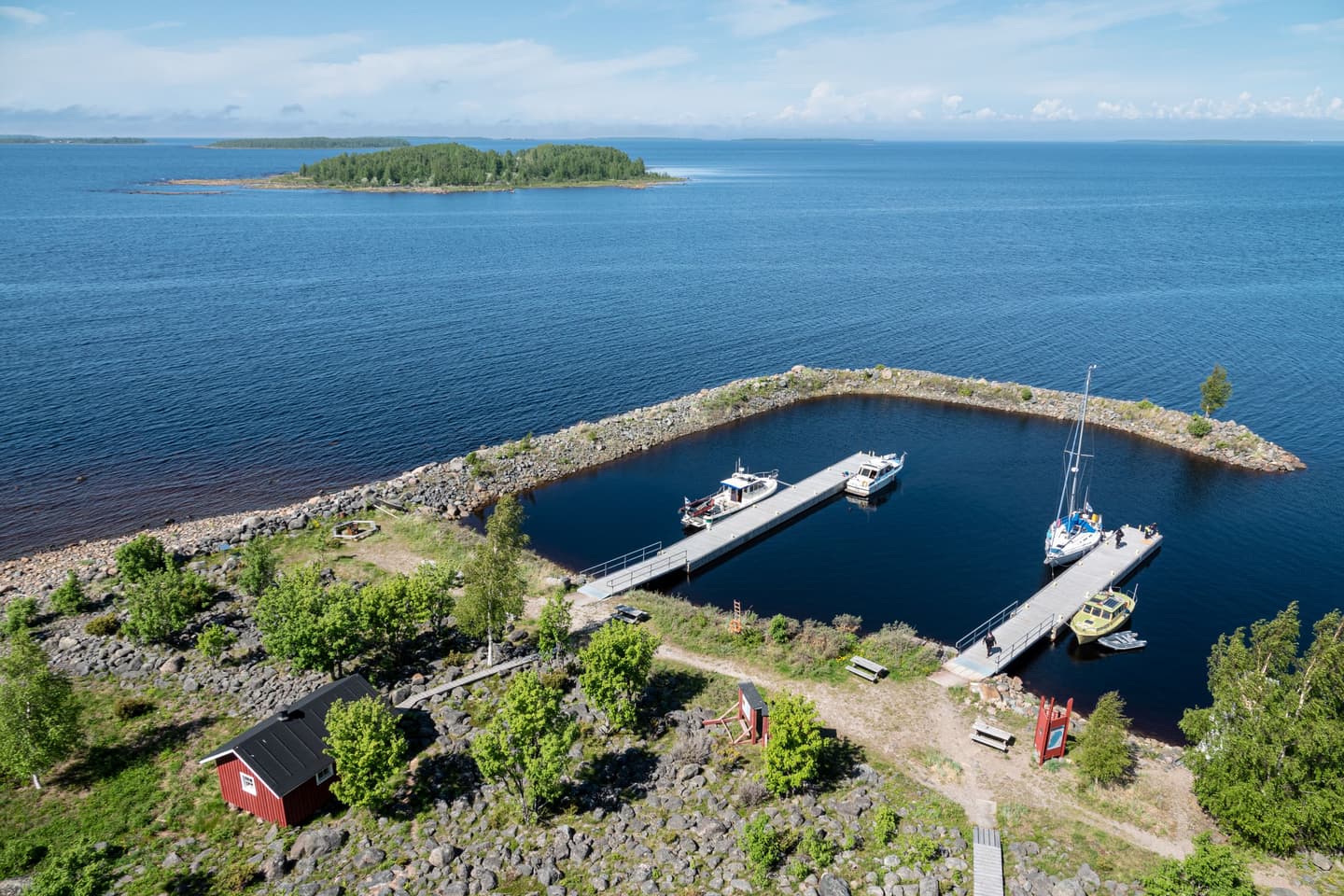
Crowds: The Bothnian Bay National Park is primarily a summer destination, and the highest number of visitors come between June and August. If you are planning a trip to the national park using commercial boat transport, be sure to book your trip well in advance, as well as a rental hut if needed. The busiest area of the national park is the guest harbour on the island of Selkä-Sarvi, where overnight stays are possible at the designated camping area, in a rental hut, or aboard a boat moored at the jetty. Pensaskari, on the other hand, is an island intended solely for day trips, which makes it more peaceful even during the day, although sailing cruises to the island are also offered on summer weekends.
Weather conditions: In summer, weather conditions are generally at their best for visiting the Bothnian Bay, but conditions at sea can change rapidly. If you are planning to visit the national park with your own boat, please note that the boat must be seaworthy and suitable for the demanding conditions of the outer archipelago.
Autumn (September–November)
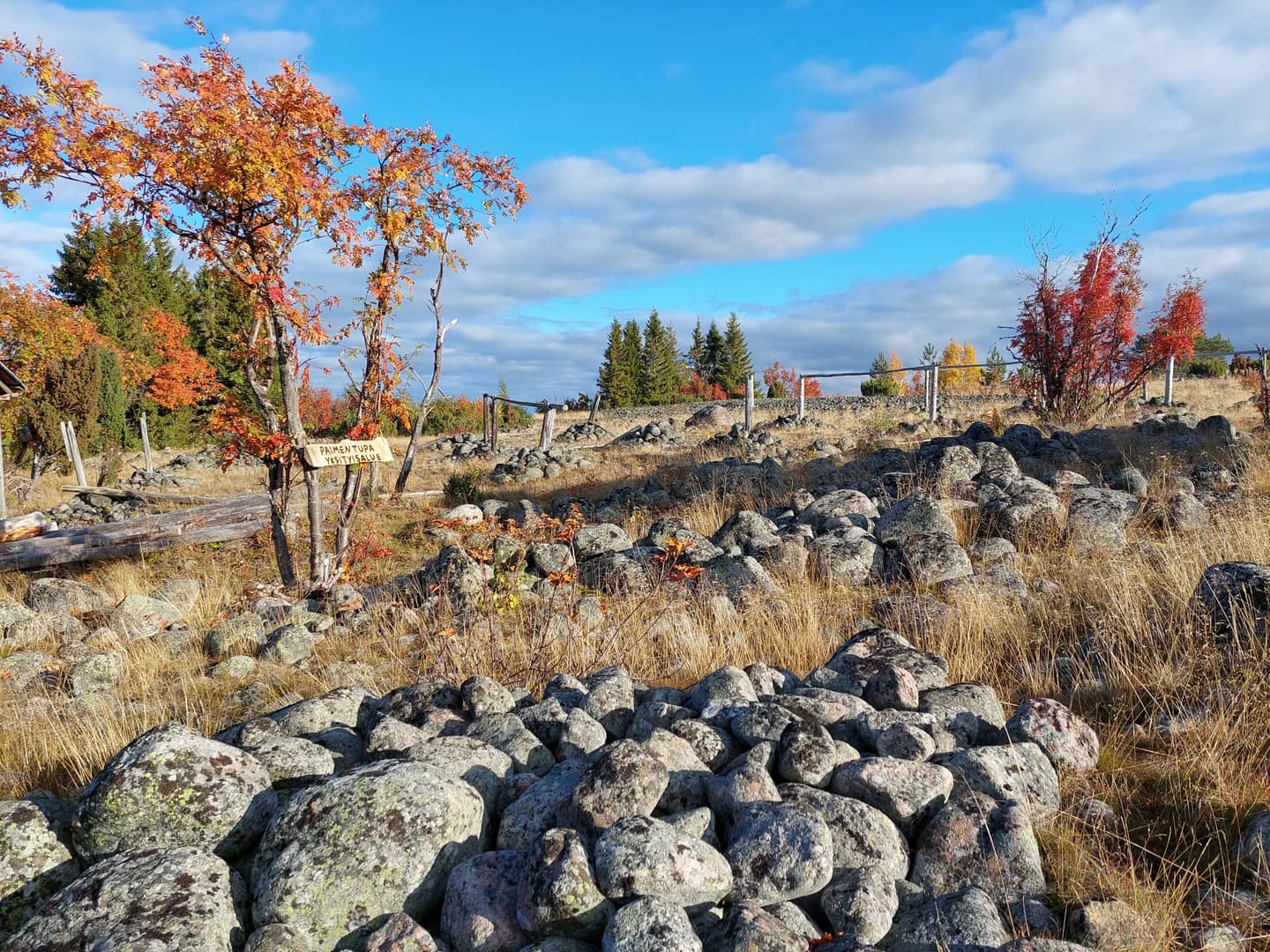
Why visit: After a night spent in a rental hut, the crisp, cool autumn mornings and the many deciduous trees on the national park’s islands glowing in autumn colours in a maritime setting make for a memorable experience.
Crowds: The season to visit in Bothnian Bay National Park gradually winds down as autumn progresses. On fine September weekends, boaters may still visit the national park, but by November the season is over.
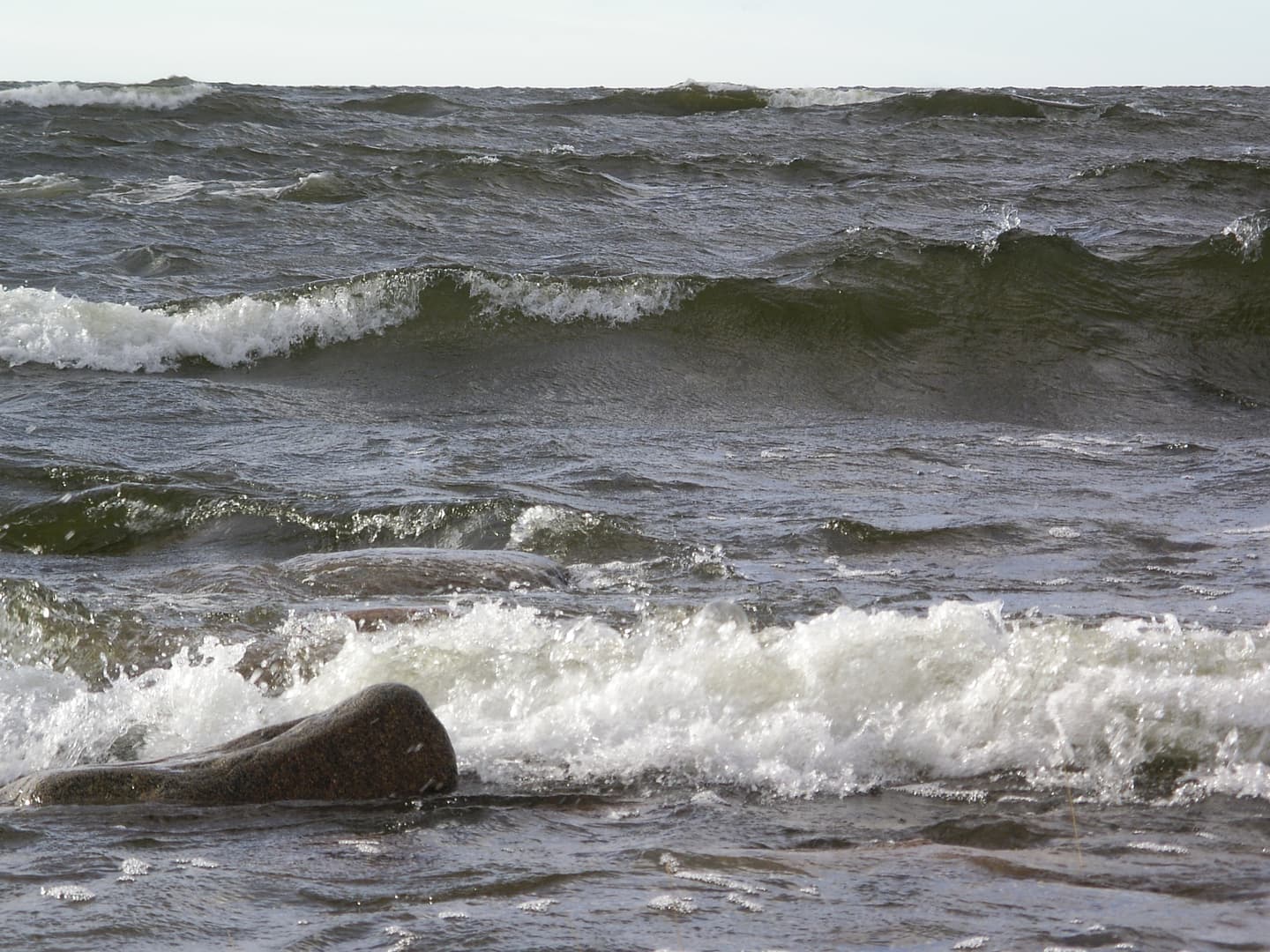
Weather conditions: As autumn progresses, boating conditions in the Bothnian Bay become more demanding. Weather conditions are variable, and strong winds are common, increasing wave height especially on open stretches of sea. Temperatures drop, days grow shorter, and darkness increases, highlighting the importance of careful advance planning and good navigation skills. In late autumn, local ice cover may also form at sea, and freezing rain can occur.
Winter (December–March)
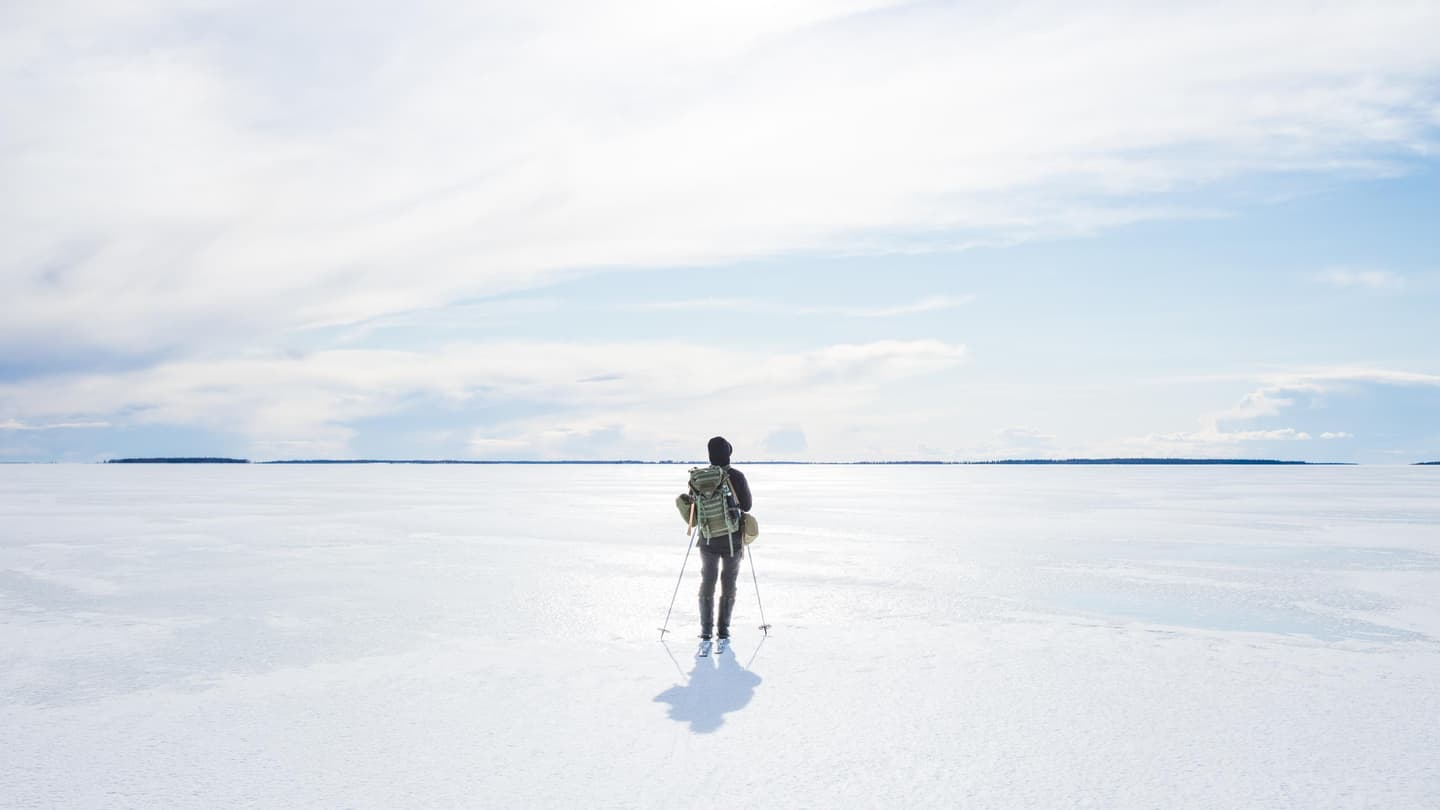
Why visit: The silence and darkness of the Bothnian Bay are an experience worth having – and completely the opposite of the lushness of the national park in summer. Skiing on the sea ice in late winter is a remarkable experience, and March is usually the best time to visit the national park on skis. Vähä-Huituri is the most popular island in the national park for skiers, as it is closest to the mainland and offers the possibility to stay overnight in a rental hut, surrounded by silence and darkness. Selkä-Sarvi is also reached by skiing in winter, but the distance is considerably longer, and part of the route runs close to the Swedish national border due to a shipping lane that is kept open even in winter.
Crowds: If the ice cover on the Bothnian Bay is strong enough for travel, there are also more visitors in the national park. In mid-winter, Bothnian Bay National Park is not crowded, and it may be possible to make a trip without encountering other visitors. In late winter, the number of visitors increases, but as a difficult-to-access national park, late winter is still a peaceful time in the Bothnian Bay. However, the availability of rental huts should be checked well in advance when planning a trip. The Kokko rental hut is not suitable for winter use and is therefore not available for rent during the winter months.
Weather conditions: When the Bothnian Bay becomes ice-covered, the national park cannot be visited until the ice is strong enough to support travel. Ice in the Bothnian Bay is usually at its strongest in February–March, after long periods of cold weather and before the strong melting effect of the spring sun. Ice conditions should always be checked from up-to-date sources before travelling on sea ice. However, ice thickness and bearing capacity can vary locally, so general ice reports do not provide a complete picture of ice conditions at sea. Variations in sea level affect the ice cover, and water can easily rise onto the ice surface even in mid-winter. Changes in water level can also create hollow spaces or water-filled layers beneath the ice, and breaking through into these can be dangerous. Be sure to carry a compass with you on your trip as well. Even in March, heavy snowfall can occur unexpectedly, making it impossible to maintain the correct direction on the open sea ice without a compass.
Spring (April–May)
Why visit: The Bothnian Bay National Park is not well suited to spring visits unless the sea ice has completely disappeared by May. If a boat trip to the national park is possible in May, visitors will be greeted by nature that is slowly awakening after winter.
Crowds: In spring, the Bothnian Bay National Park is not crowded. The availability of rental huts should be checked well in advance when planning a trip. If ice conditions in the Bothnian Bay remain favourable, some visitors may still visit the national park in early April.
Weather conditions: The accessibility of Bothnian Bay National Park usually decreases from the latter half of April onwards due to melting sea ice, and by May the sea is already at least partially open. Check the ice conditions before setting out on your trip.
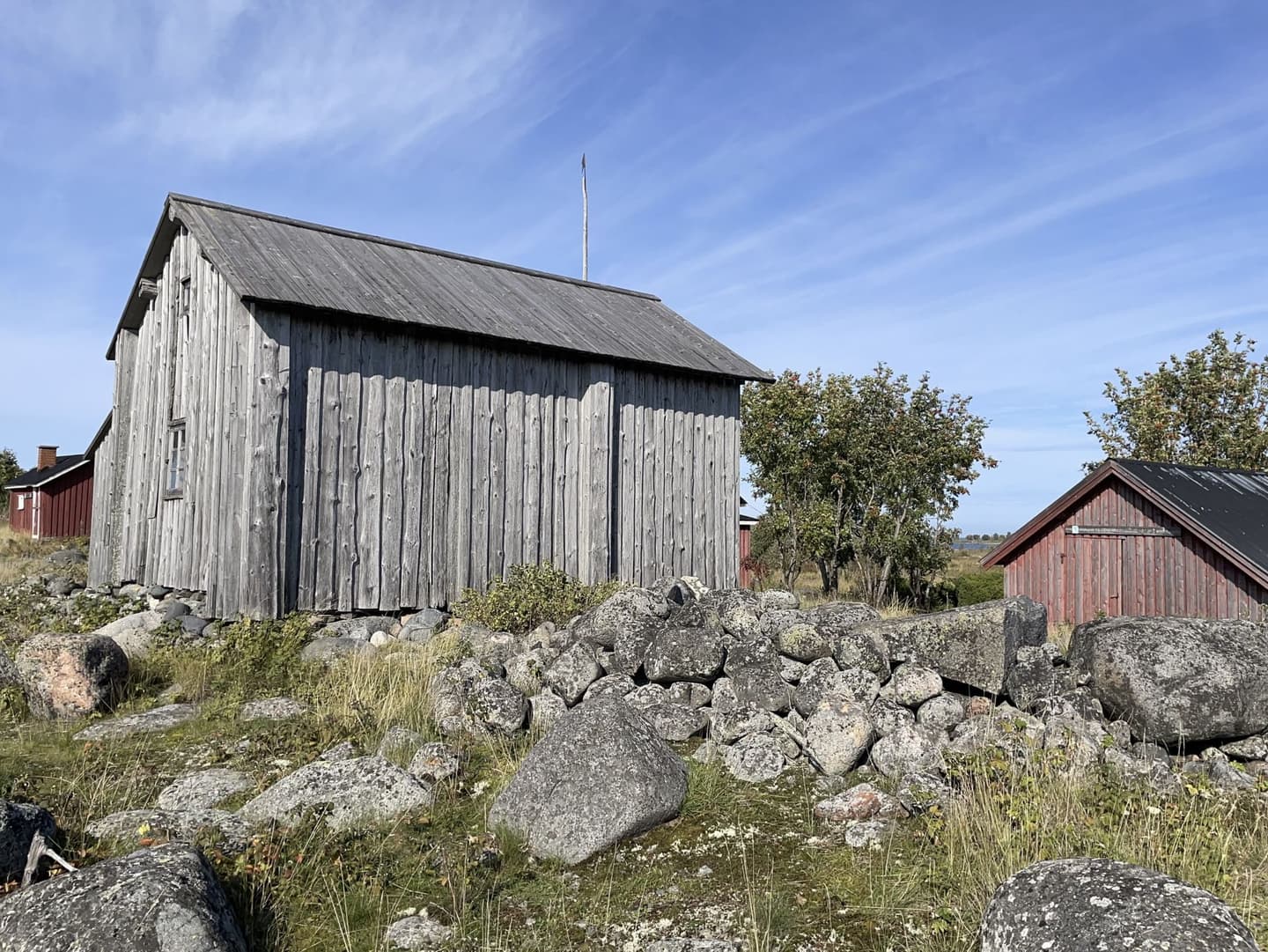
Ailinpieti fishing hut