General instructions for using an outdoor toilet
- Sit down. This is the single most important way to keep a dry toilet clean.
- Close the lid. It reduces odours, improves ventilation and keeps flies away.
- Take care of hand hygiene. Wash your hands when possible and use hand sanitiser.

What to bring on your trip
- Toilet paper. There is no toilet paper supply in the toilets.
- Hand sanitiser.
- A torch. Many toilets are dimly lit.
- A small rubbish bag for wet wipes, sanitary products, tampons or nappies. These must not be put in the toilet.
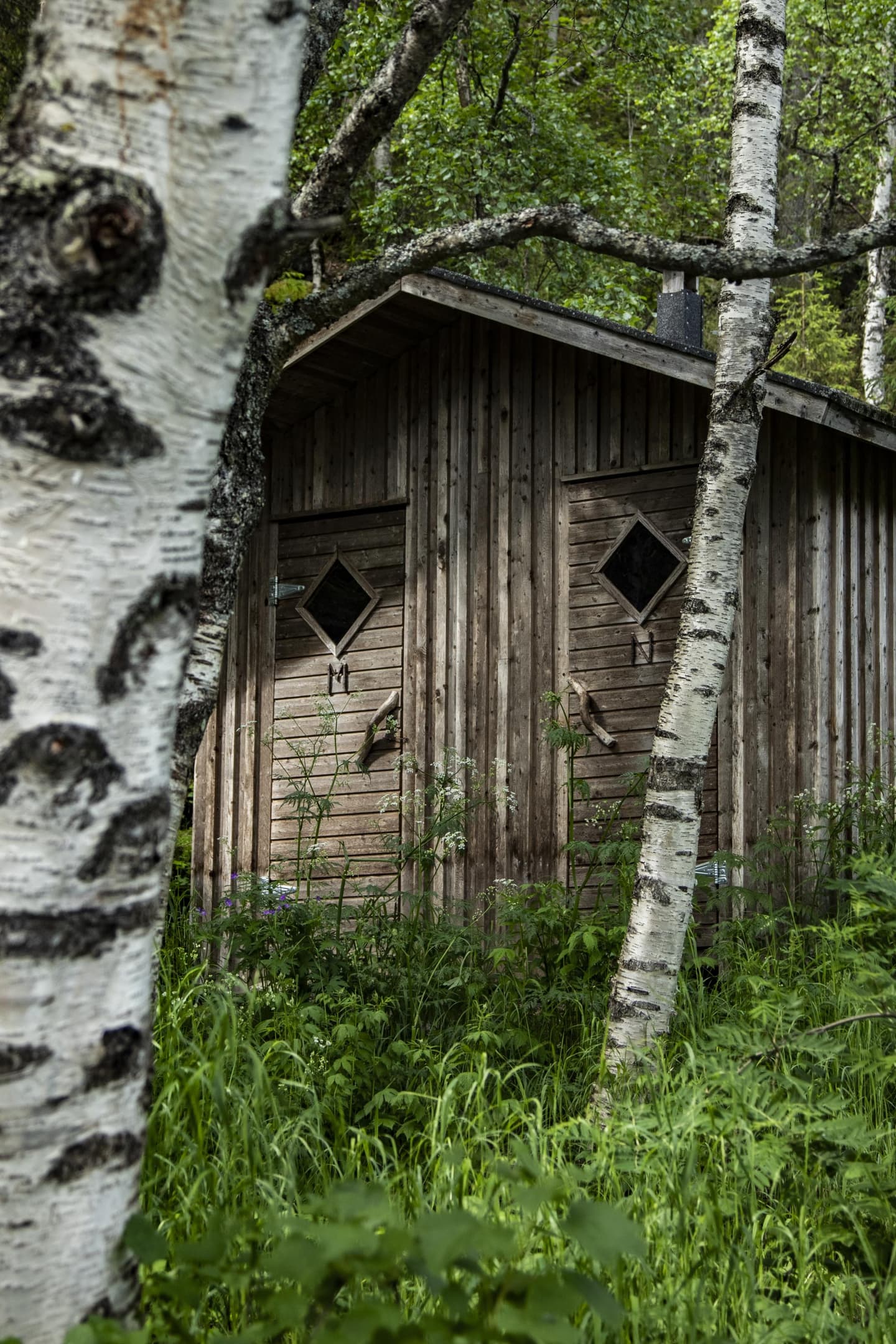
Types of toilets at outdoor destinations
Toilet emptied with suction: a reliable solution at busy sites
- In this type of toilet, waste is collected in a large tank and emptied at intervals with suction.
- Only faeces, urine and toilet paper belong in the tank. All other waste – such as rubbish and food waste – may block the emptying system and cause additional work or even safety risks.
Composting toilet: a classic for quieter sites
In a composting dry toilet, the container is smaller, usually a manually replaceable container. The containers are transported out of the terrain, usually by all-terrain vehicle or snowmobile. It may fill up quickly, especially during peak season.
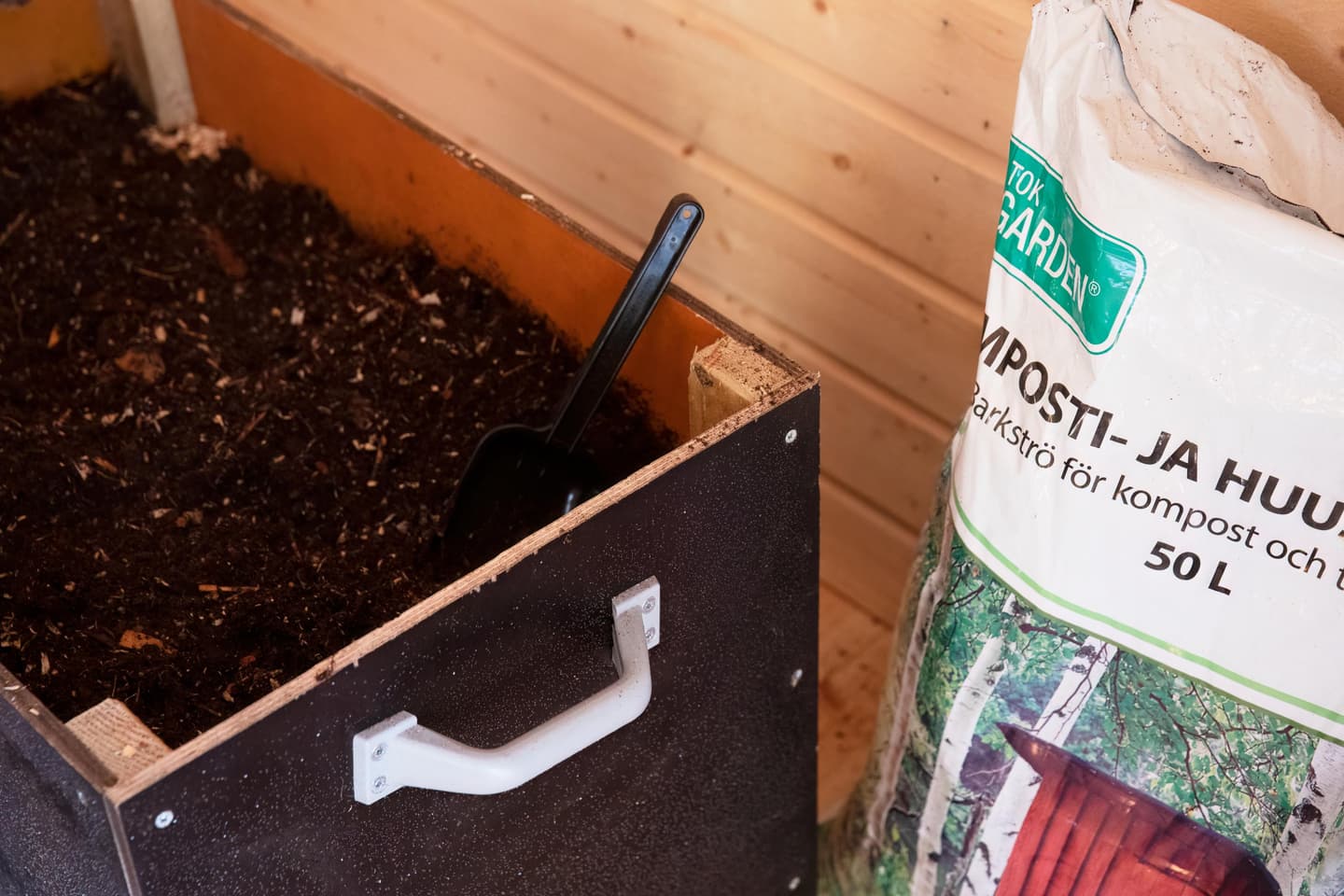
- Use a small amount of bedding material if available. It reduces odours and supports composting.
- Never put rubbish in the container. It interferes with composting, causes littering and fills the toilet more quickly.
- Small amounts of food waste or other biodegradable waste can be placed in a composting toilet.
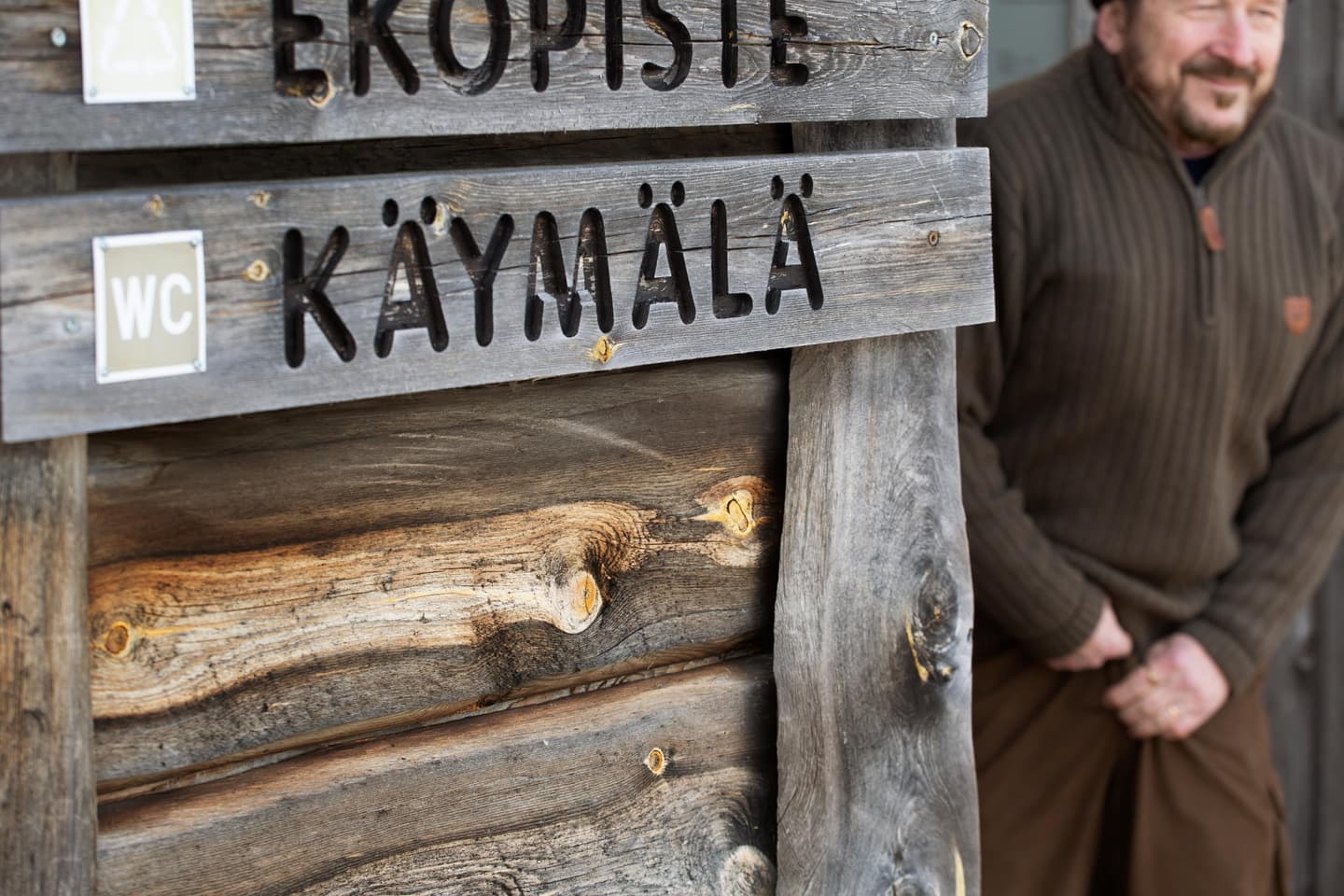
What to do if the toilet is dirty or full
- At busy rest areas, there are usually several toilets.
- Sometimes waste may pile up under the seat in a composting toilet even though there is still space in the container. In some toilets, the pile can be levelled with a tool provided.
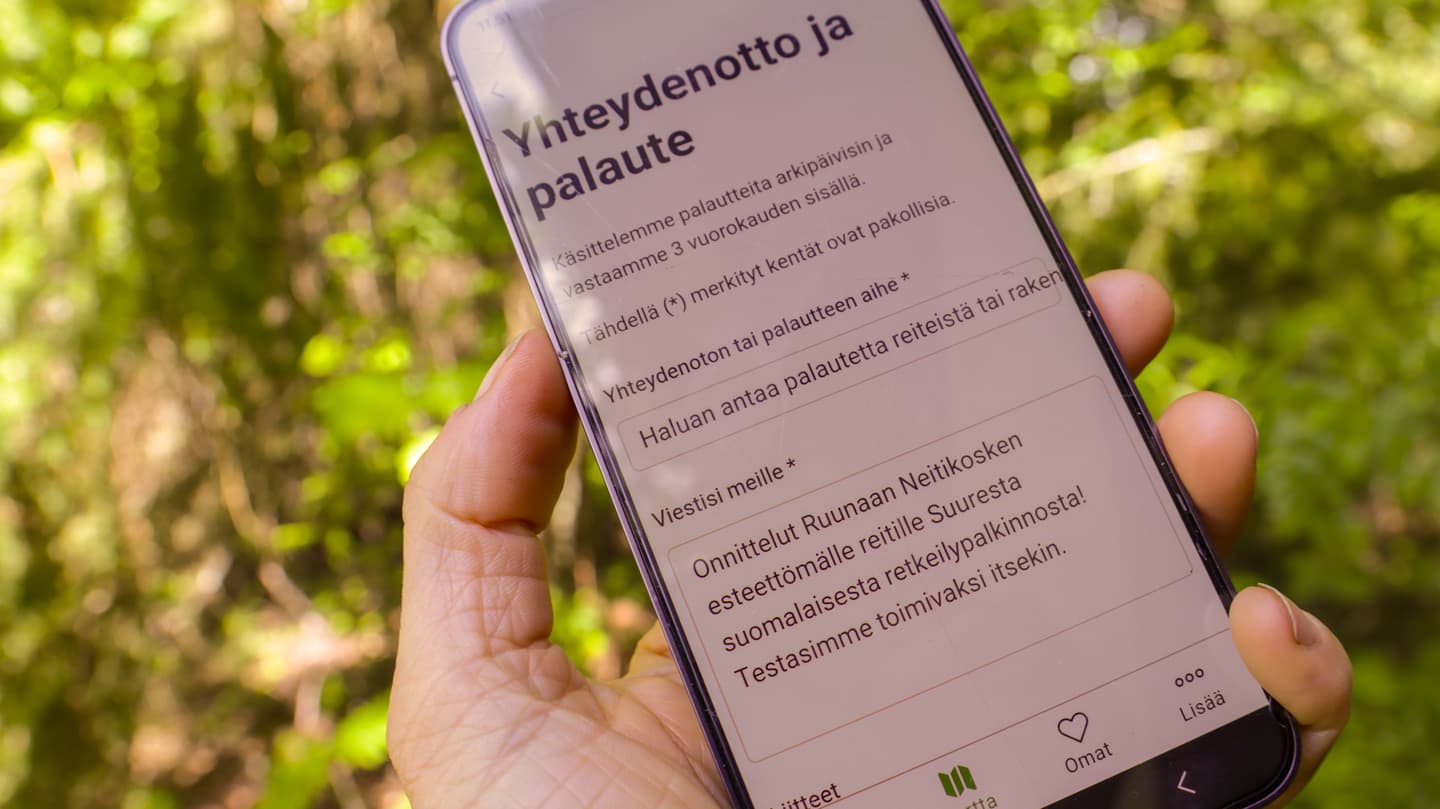
- Report a full toilet via the Luontoon.fi feedback form and include the site name.

If nature calls urgently
If you must relieve yourself in the wild:
- Move further away from water bodies, rest areas and trails.
- Avoid restricted areas.
Dig a small hole and carefully cover it afterwards. You do not need to dig a hole when urinating. Pack the paper in a rubbish bag and take it with you. In harsh conditions, such as in the fells, toilet paper decomposes very slowly.