We asked members of the Wilderness and Nature Community: tips for beginner cyclists
We asked members of the Wilderness and Nature Community for their best tips for beginner cyclists. Their responses highlighted how easy it is to get started, the importance of going at your own pace, and the memorable experiences nature has to offer.
Start with an easy route
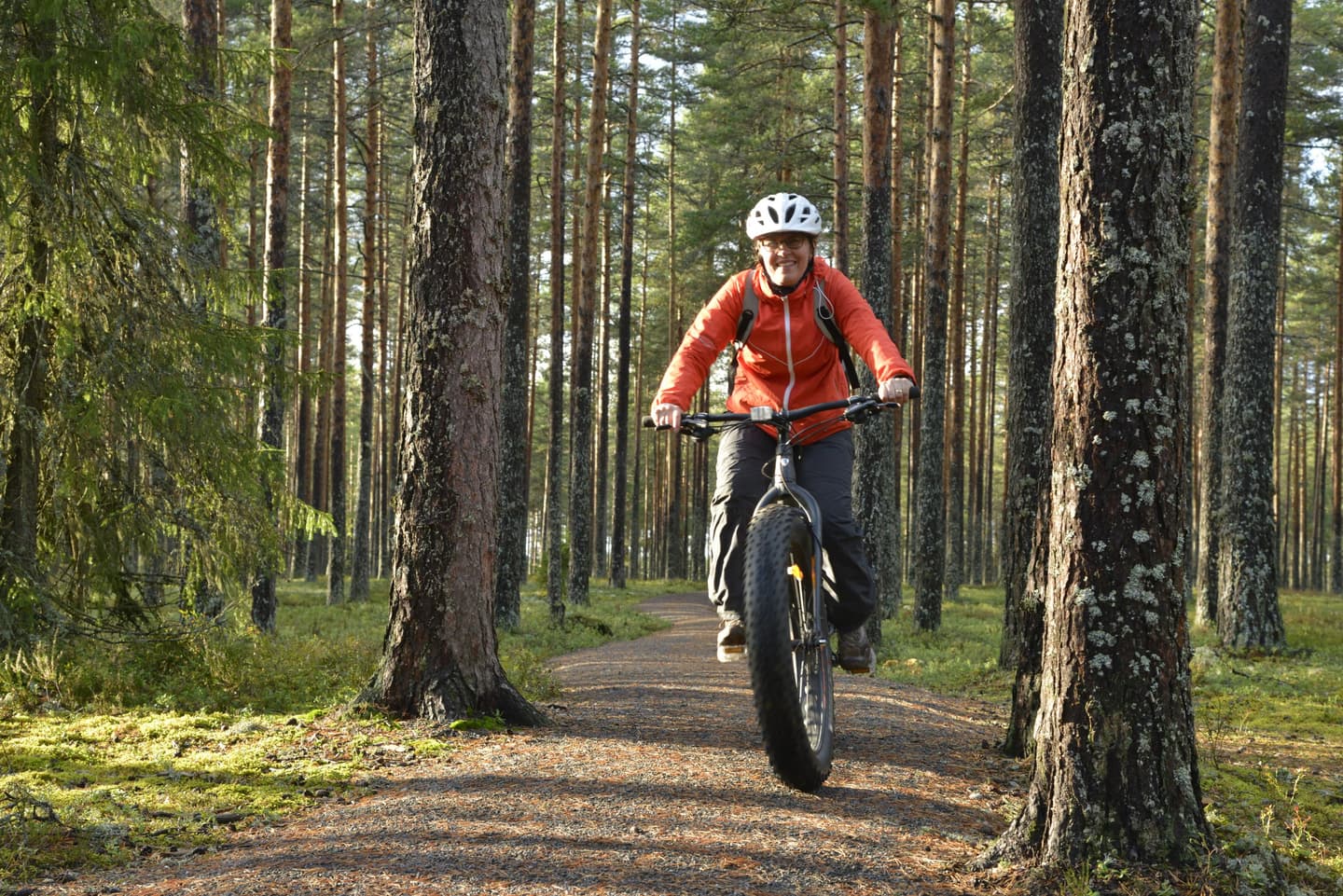
Many experienced cyclists gave the same advice: choose an easy day route for your first trip. Wide trails, gravel-surfaced routes and forest roads help you focus on cycling and enjoying nature. On easy-to-ride routes, you can start with trips of 5–15 kilometres and gradually move on to day rides of 20–30 kilometres.
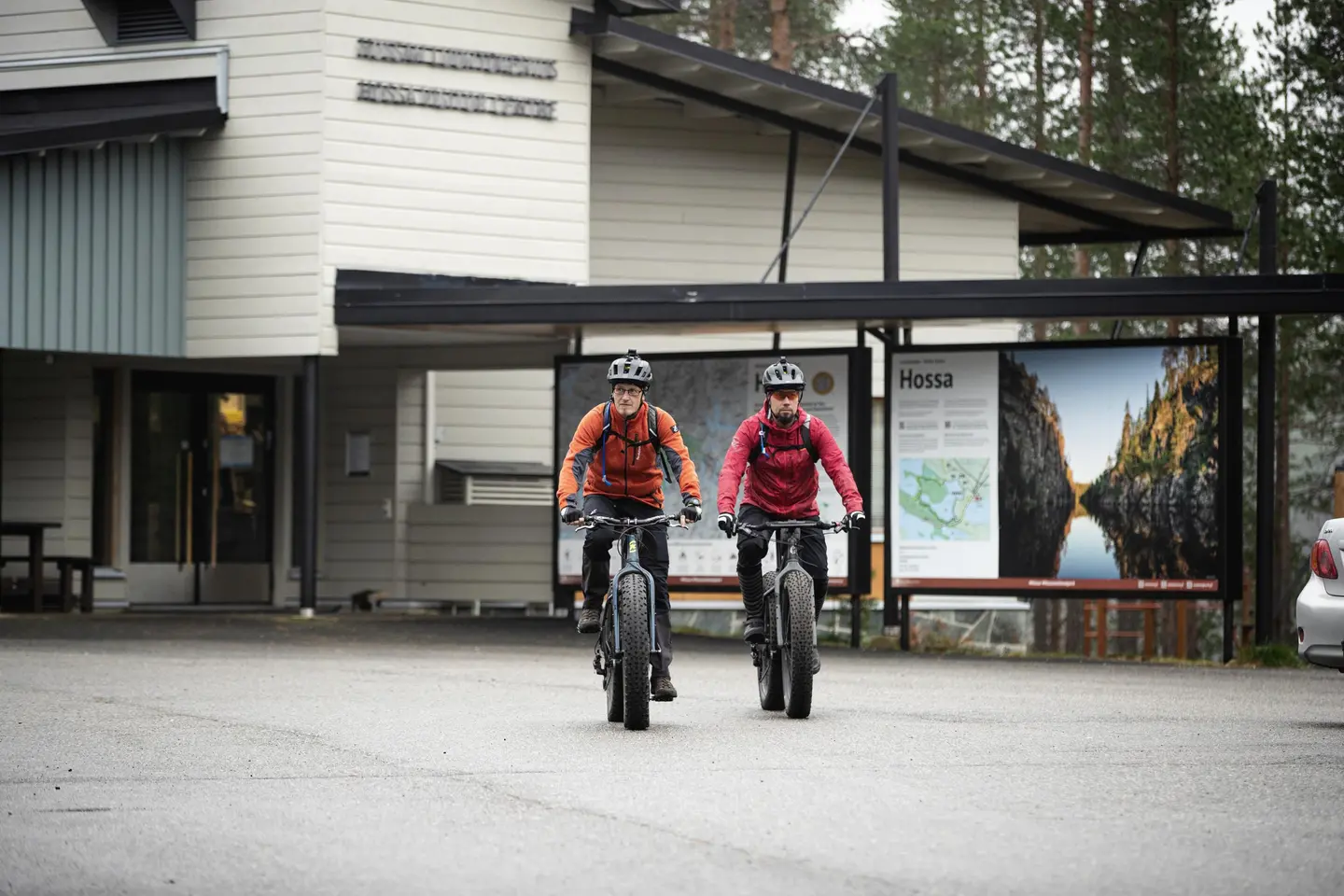
Community members recommended routes in places such as Harjavalta, Hossa, Hyvinkää, Jämi and Salla for beginners.
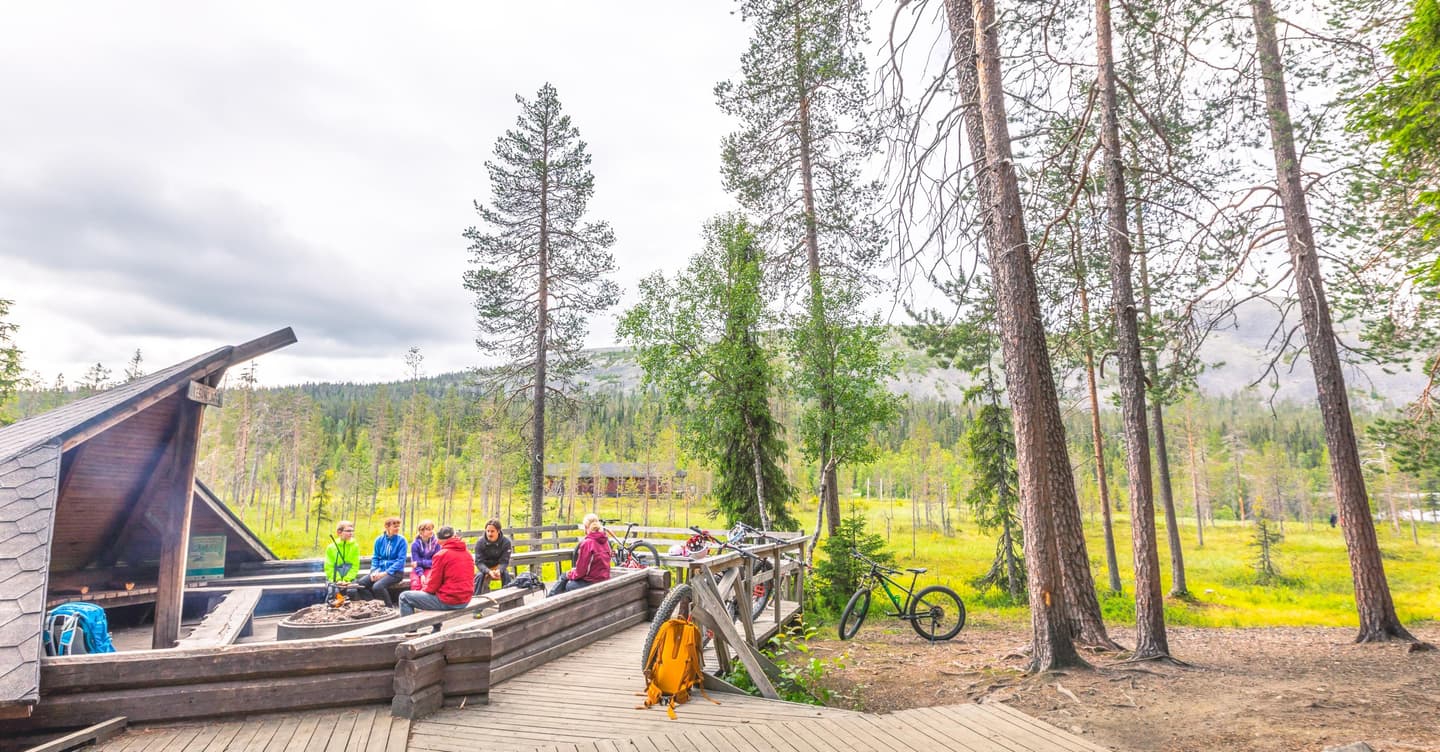

Read the article Beginner-friendly cycling routes: summer trail tips around Finland.
What kind of bike should you choose?
You do not need expensive equipment to get started with cycle touring. Some community members said they first headed outdoors on an ordinary bicycle and only later discovered which type of bike suited them best. Hiring a bike is a good option if you would like to try a mountain bike or an electric bike or find out which bike size suits you best.
Before setting off on a longer trip, it is also worth testing different bicycles and routes in your local area, including climbs and descents. By trying different options, you will quickly discover what kind of bike feels right for you and what type of terrain you enjoy most.
Walking your bike is part of the experience
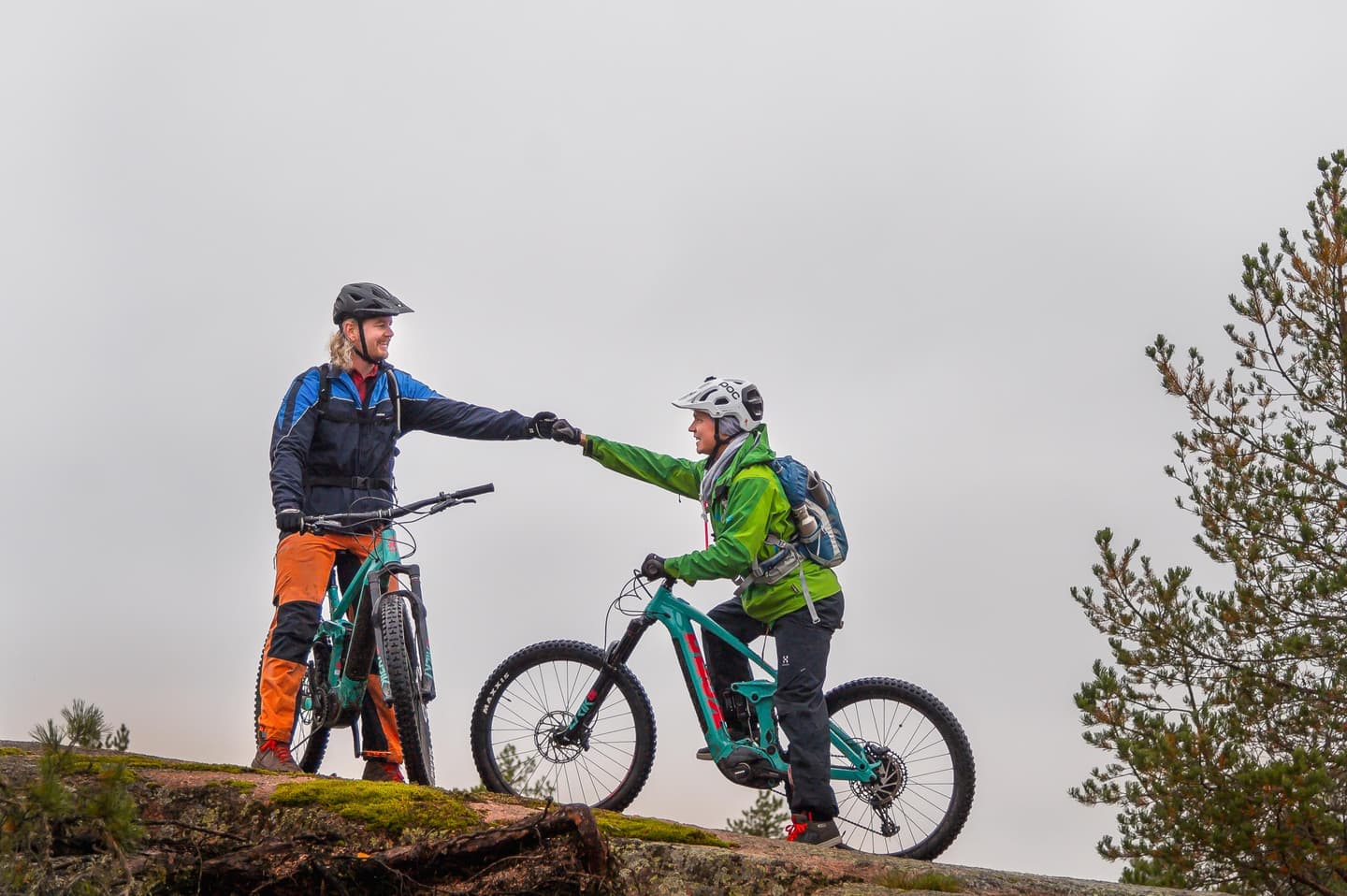
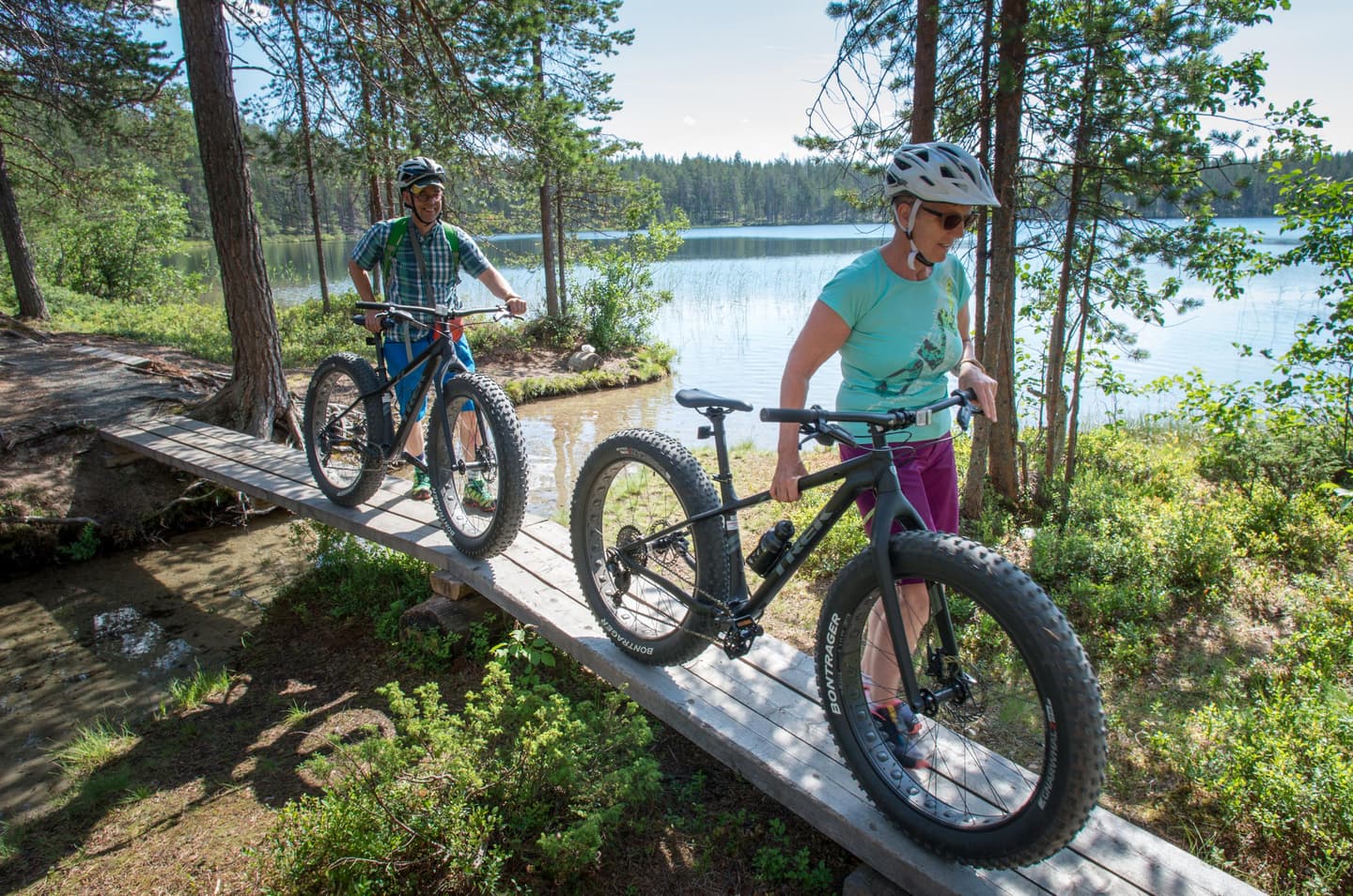
More experienced cyclists reminded us that it is perfectly normal to walk your bike through challenging sections. There is no need to ride every part of the route. Sometimes a trail presents surprises, such as rocky terrain, a steep hill or a section of boardwalk. In those situations, simply get off the bike, walk for a while and continue your journey afterwards.
Remember breaks and snacks
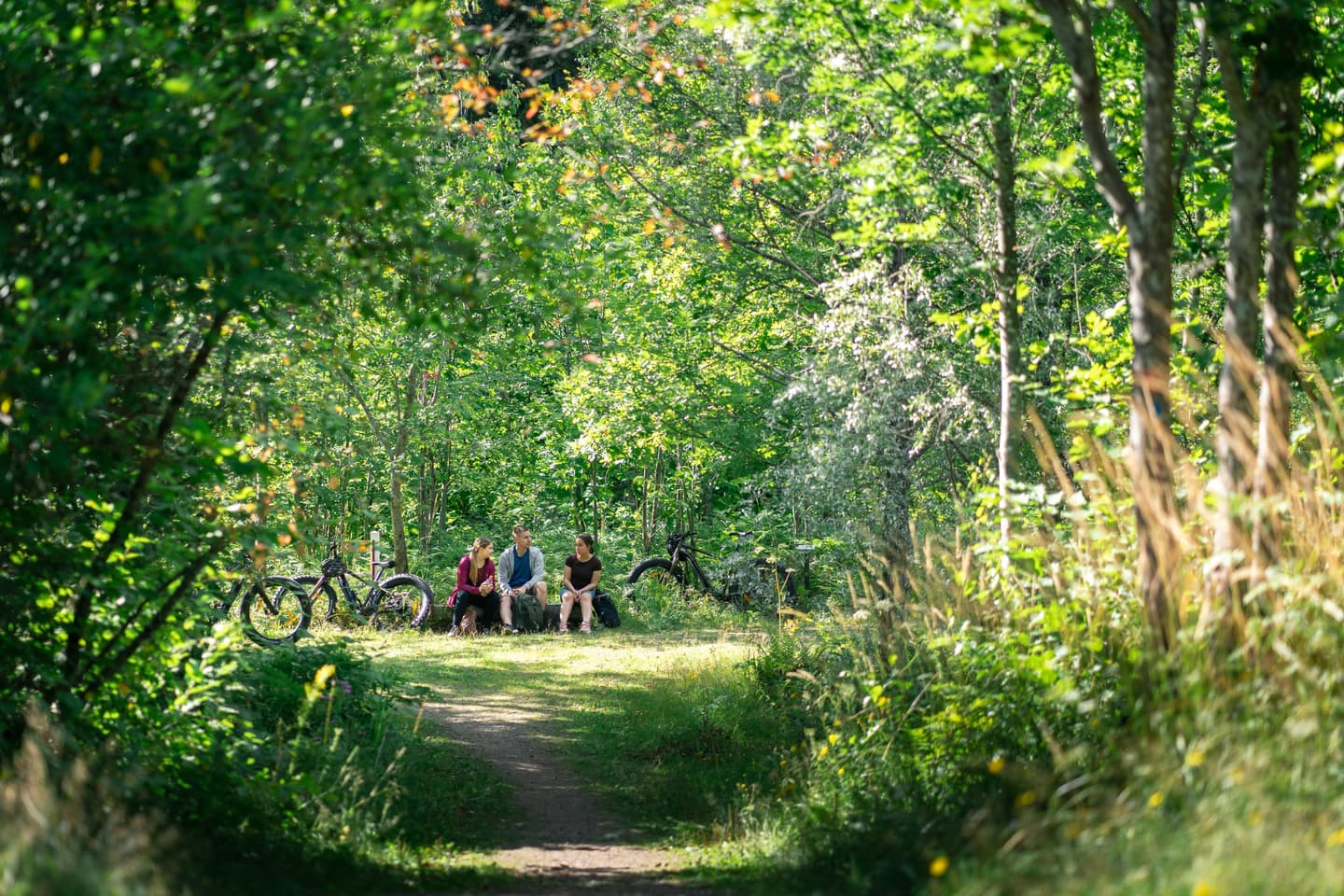
The number of kilometres was not the main focus in the responses. Instead, community members recommended setting aside enough time for breaks, snacks and enjoying the scenery. Many highlighted swimming spots, lean-to shelters and cafés as an important part of a successful trip.
What to bring with you
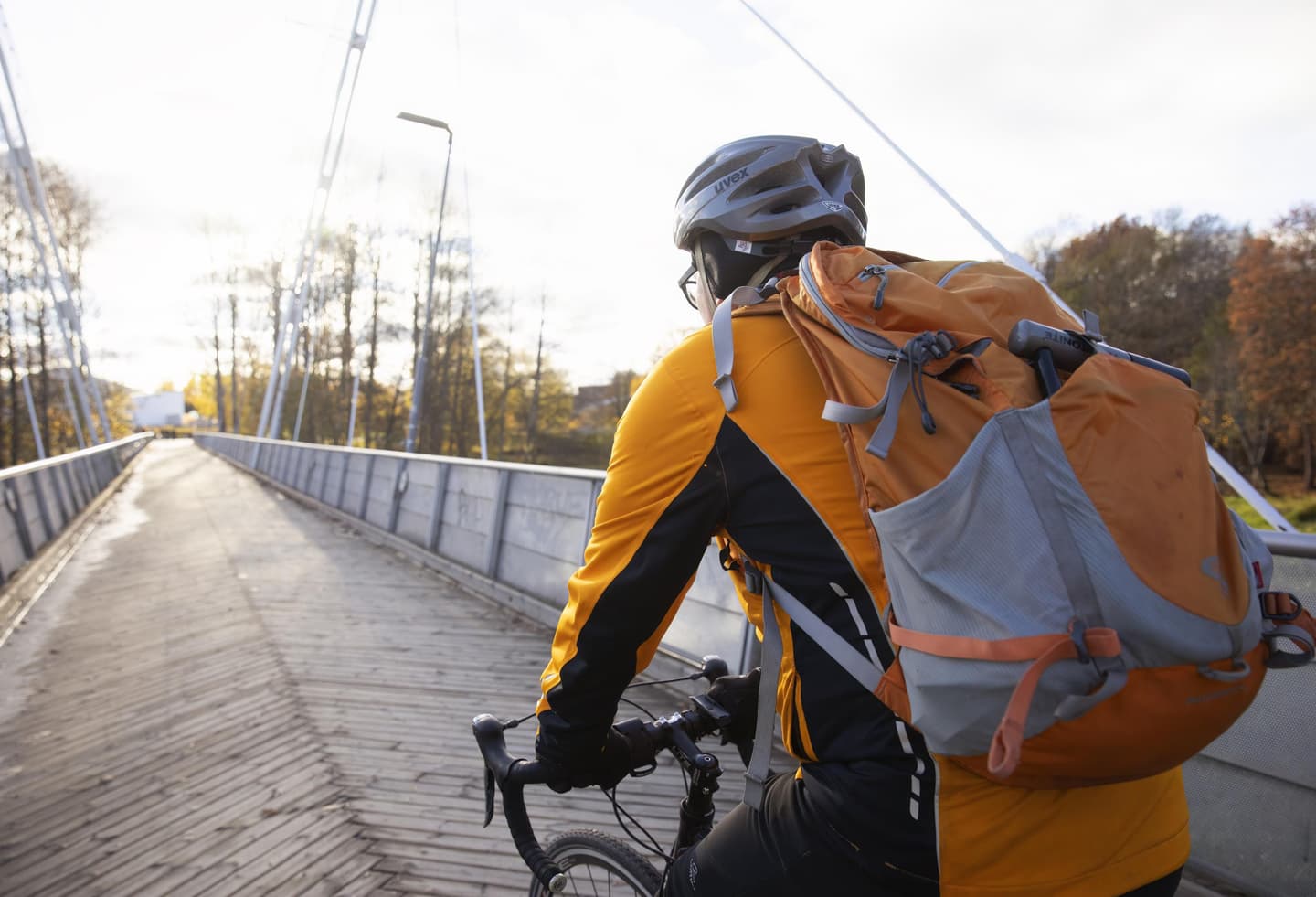
- A helmet and lights for both the front and rear of your bike – many people emphasised their importance.
- Water and, if needed, snacks.
- Bright-coloured clothing or a high-visibility vest for added safety.
- Thin gloves and long-sleeved, full-length clothing for greater comfort in wooded terrain, where branches may scratch exposed skin.
- A paper map, as your phone battery may run out on a longer return journey.
- A pump, spare inner tube or puncture repair kit, and a small set of tools – advice often learned the hard way after having to push a bike back for 10 kilometres.
- Overnight equipment adds significant weight, so when carrying camping gear, it is a good idea to plan daily stages that are around one third shorter than on a day trip.

The best cycling trip?
One thought stood out above all others in the community’s responses:
“The best cycling trip is simply the one that you actually take, no matter where it leads!”
So, get on your bike and start pedalling. One trip often leads to another, and before you know it, you may find yourself completely hooked on cycling.