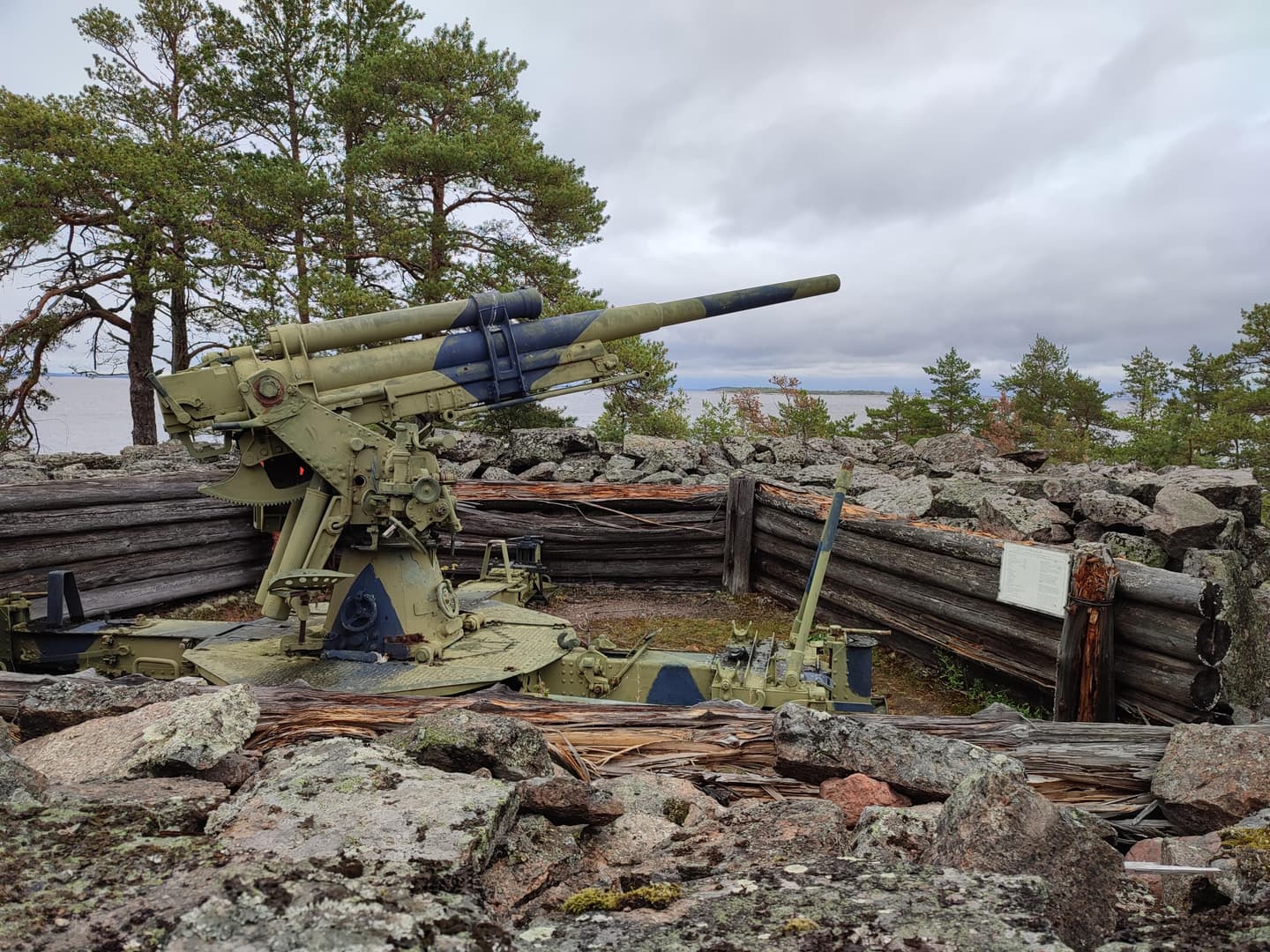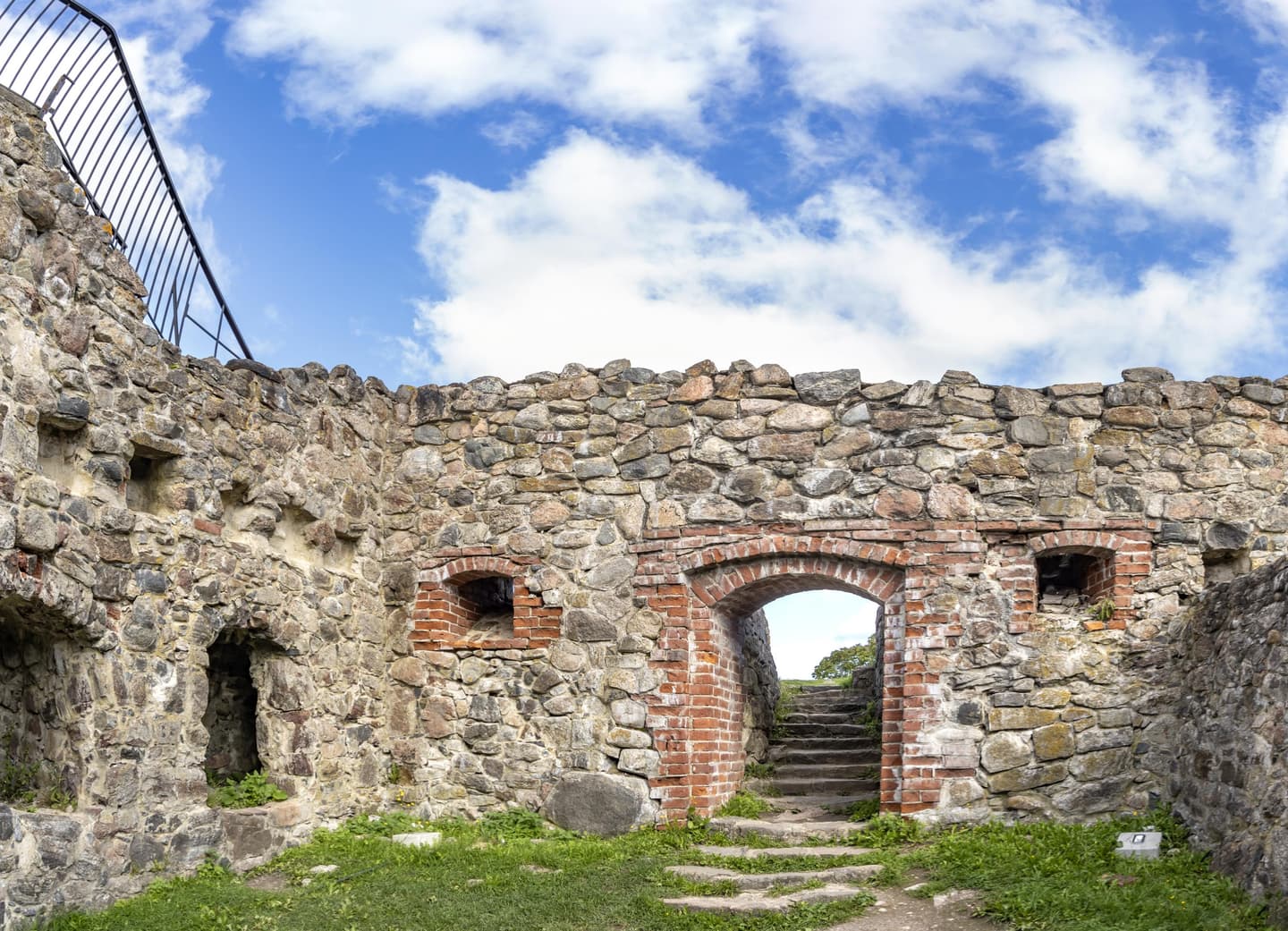
Memories of wars have survived across the country, left behind by troops from Sweden, Russia, the Soviet Union, Germany and independent Finland.
Historical layers in nature
Sotahistorian muistot ulottuvat keskiajalta nykypäivään – keskiaikaisista maallisen ja kirkollisen vallan linnoista toisen The memories of war history stretch from the Middle Ages to the present day – from medieval castles of secular and ecclesiastical power to the Salpa Line of the Second World War. Gradually, castles and coastal fortifications were built at key points for transport and defence. The last century brought underground bunkers and trenches, gun emplacements and connecting tunnels. For example, Metsähallitus manages sites linked to war history from all these periods – erected by all parties who fought and made peace.
Older monuments
As dramatic storytellers of history, the stone-carved “bulletins” and large-scale constructions, such as fortifications, are the most visible monuments of human activity in Finland during times when peace was only an exception between successive wars.
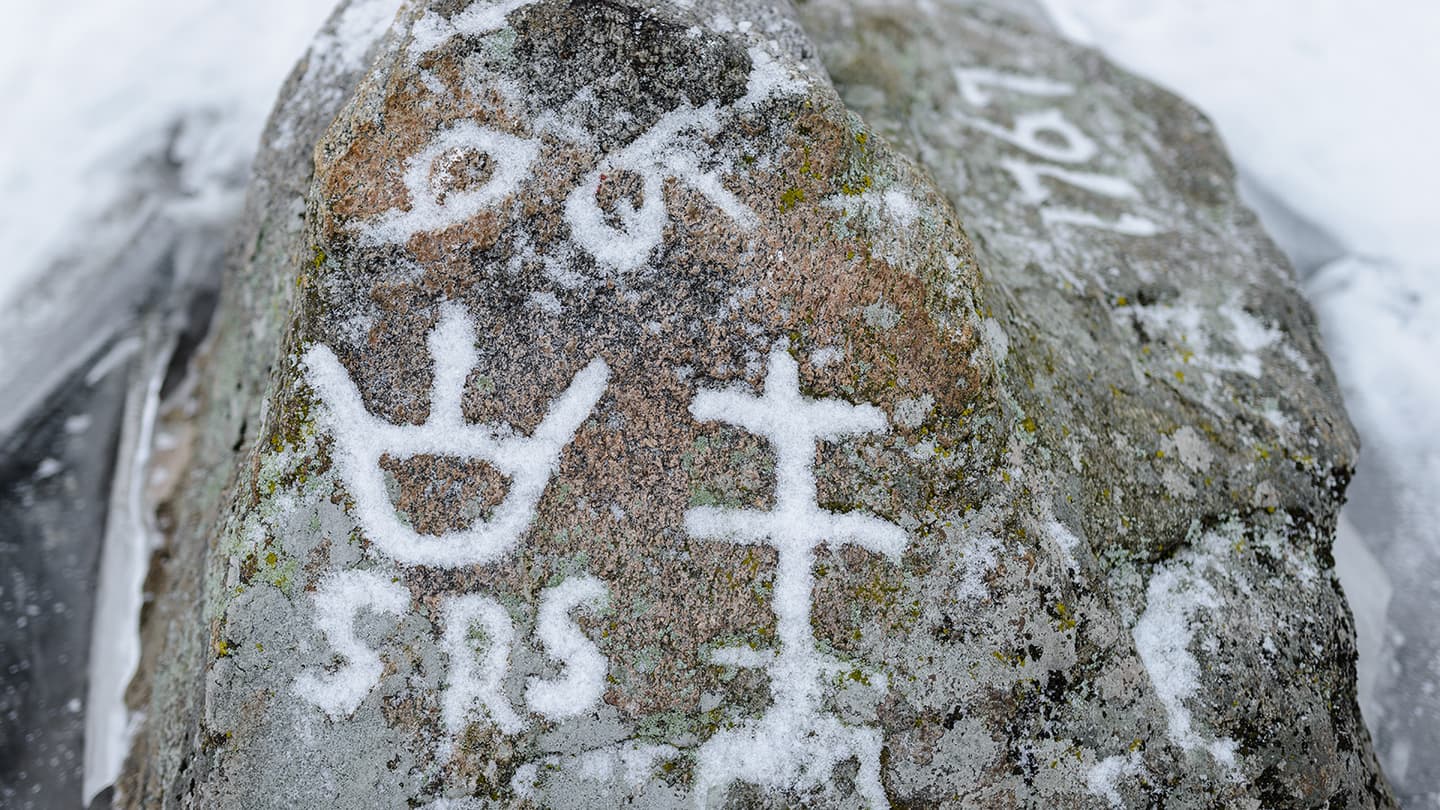
Today, war memorials are protected sites under the Antiquities Act – from the Treaty of Teusina boundary stone to the gun positions of the last naval battles in the Gulf of Finland. The Treaty of Teusina boundary stones (1595) form one of the oldest groups of war history monuments – they turned 430 years old in 2025. Boundary stones with inscriptions can be seen at Pisa and at the Tiilikkajärvi national park.
Traces of castles and power
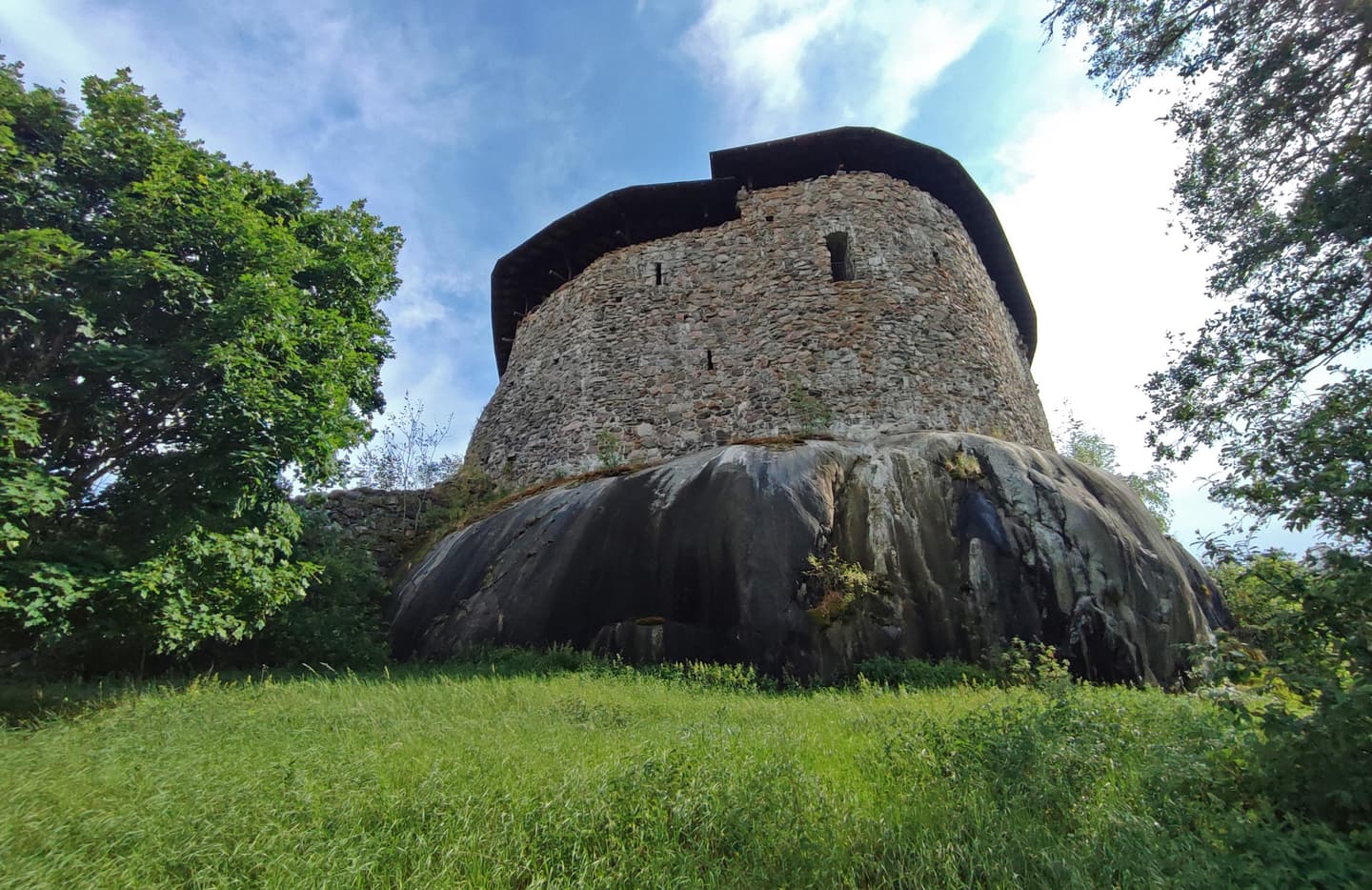
Medieval castles were symbols of power and places of refuge at a time when Finland was part of the Swedish realm.
- Raseborg Castle Ruins and the ruins of Kuusisto Bishop’s Castle tell of secular and ecclesiastical power in the Middle Ages.
- Koroistenniemi in Turku was the bishop’s residence.
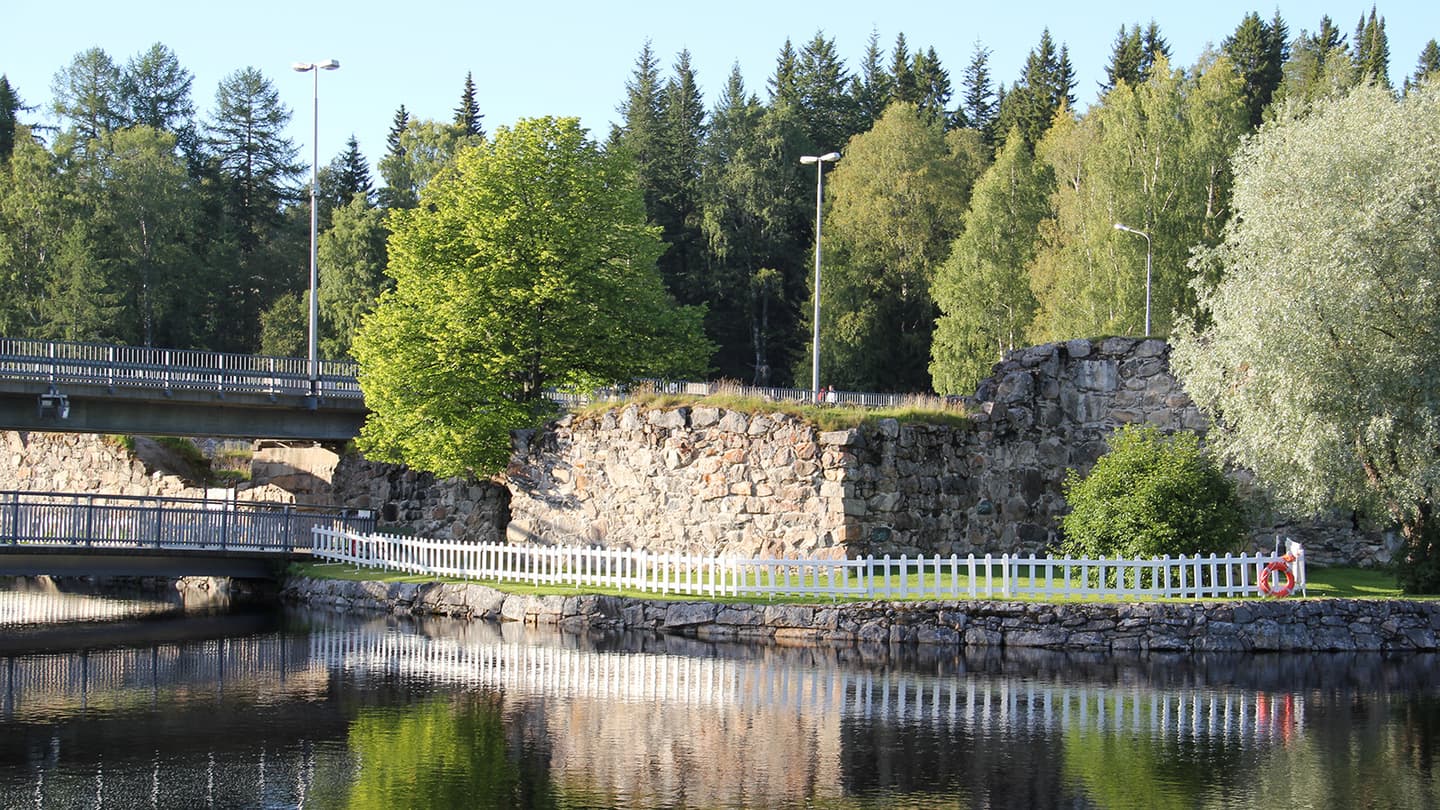
- Kajaani Castle Ruins are known as the northernmost castle in Europe.
Border fortifications and coastal defence
Finland’s border fortifications tell stories of war history and coastal defence. The existing fortifications recall times when the coast and borderlands were strategic defence lines between different realms.
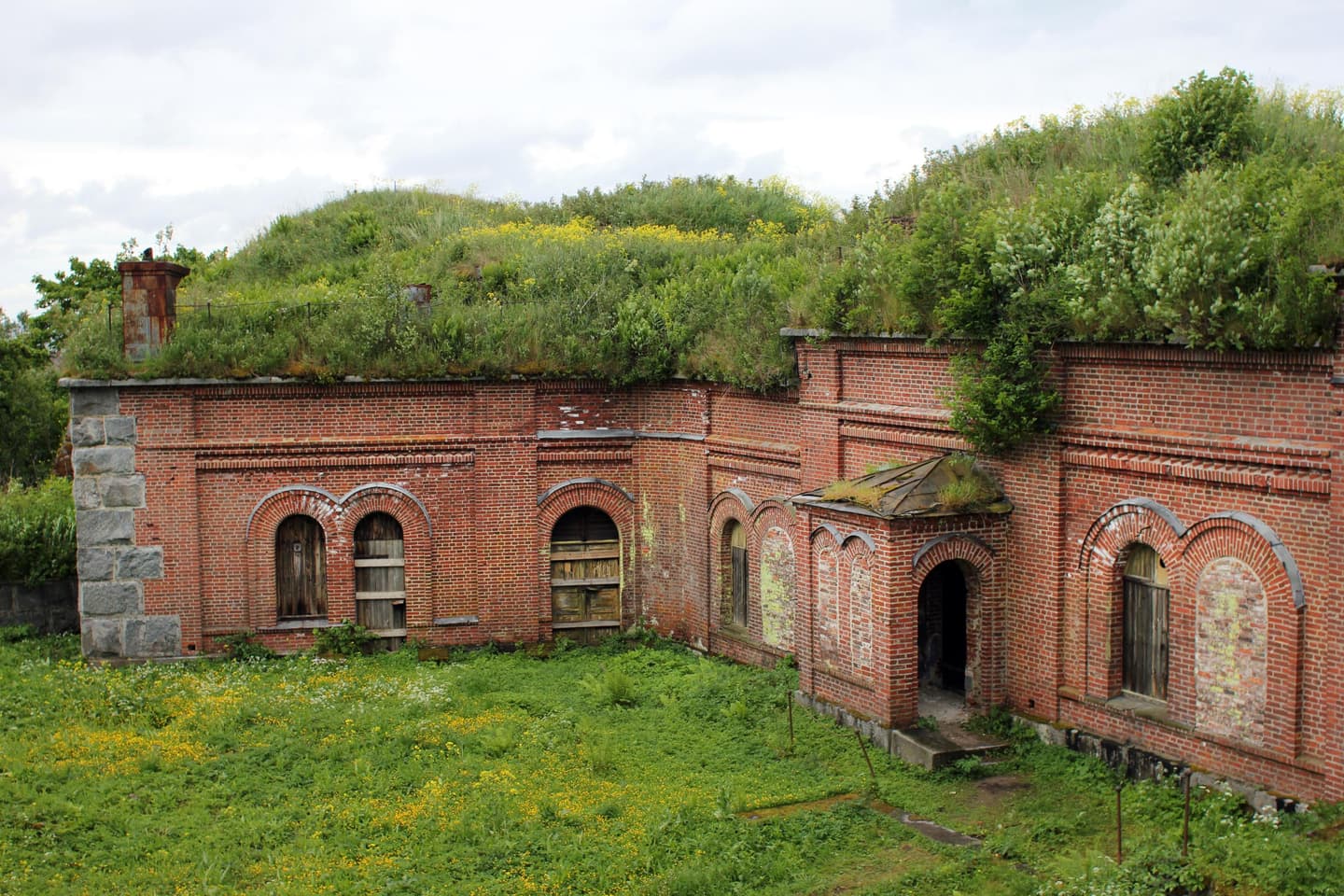
- Vallisaari is part of Helsinki’s sea fortifications.
- Svartholma Sea Fortress was built to defend the coast.
- Kärnäkoski and Utti are border fortifications built by the Russians.
- Katanpää is the northernmost stronghold of Peter the Great’s Naval Fortress.
- At Langinkoski you can see trenches from the First World War.
Traces of the Second World War
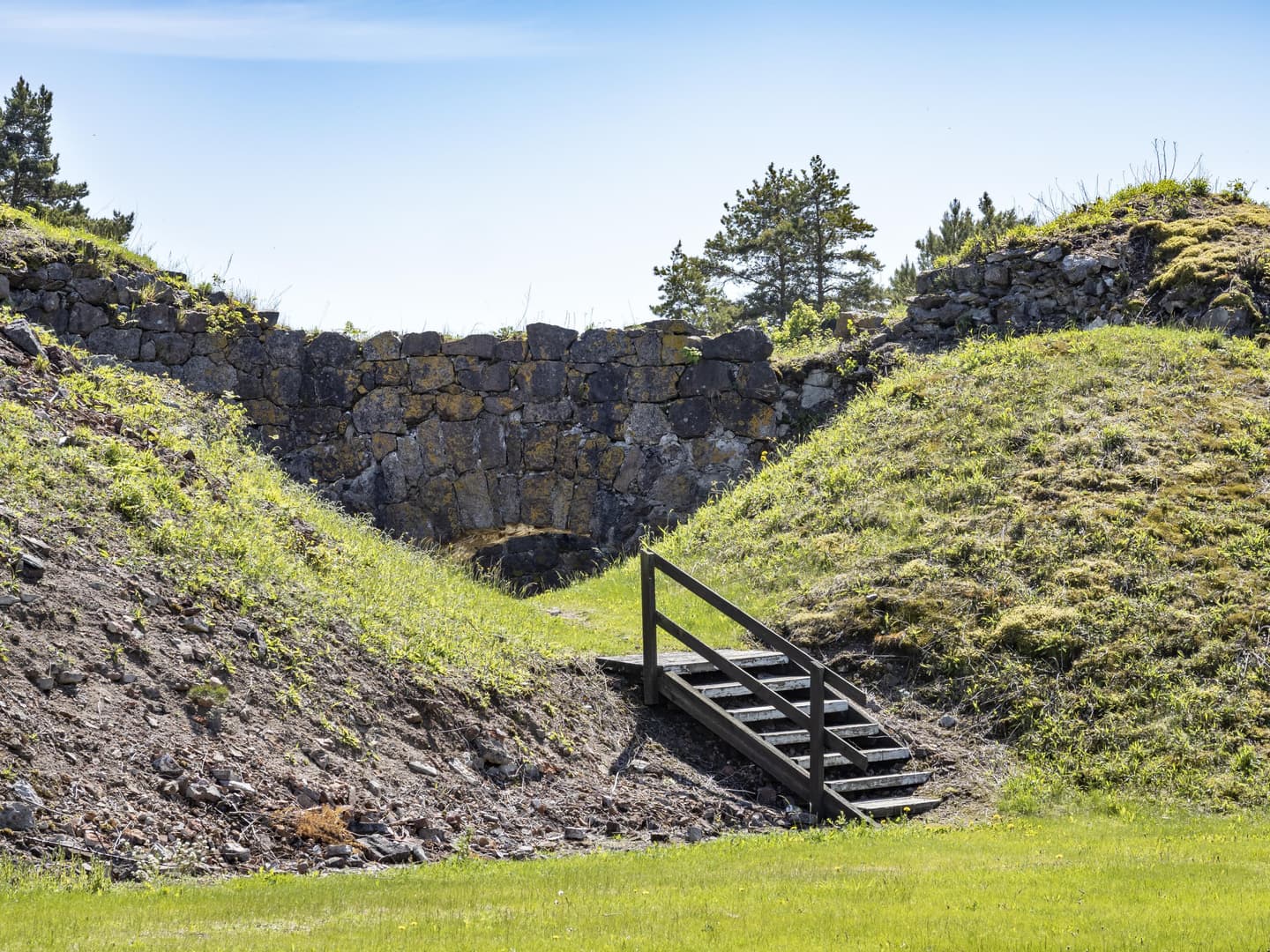
War history is still visible in the terrain. The Salpa Line and Lapland’s defence positions recall wartime fortifications and strategic sites.
- The Salpa Line, presented in Punkaharju, is part of Finland’s defence line.
- Ulko-Tammio is one of the finest sites in the archipelago, where you can also see traces of war.
- The Tankavaara Schutzwall position in Lapland recalls German defence lines.