


When to visit Urho Kekkonen National Park?
Urho Kekkonen National Park is a traditional hiking destination. It is known for its rounded fells, clear rivers and lakes, and old-growth forests. Winter is the longest season, but each season has its own unique charm. Here are some tips on when to visit this northern national park and what to keep in mind.
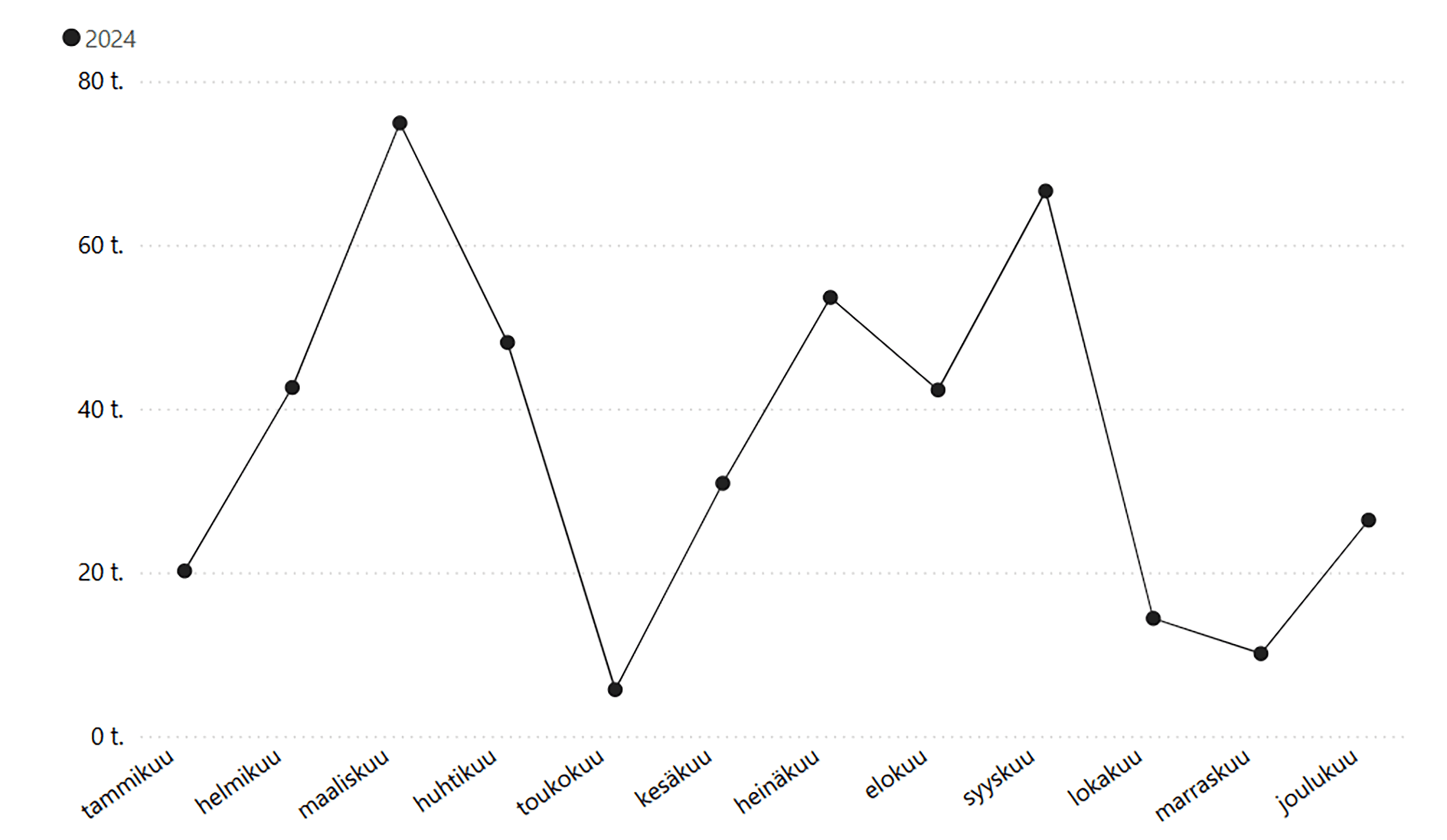
Urho Kekkonen National Park is Finland’s second most visited national park, with 435,900 visits in 2024.
Spring (May–early June)
Why visit:
Lapland’s fast-paced spring is a wonderful time to witness nature awakening. The amount of daylight increases rapidly. By late May, the midnight sun begins. As temperatures rise, the snow melts. Swans are the first to arrive at meltwater, followed by other waterfowl. May is a lively and noisy time as migratory birds arrive to nest. Early mornings are best for birdwatching.
Crowds:
May is not crowded.
Weather conditions:
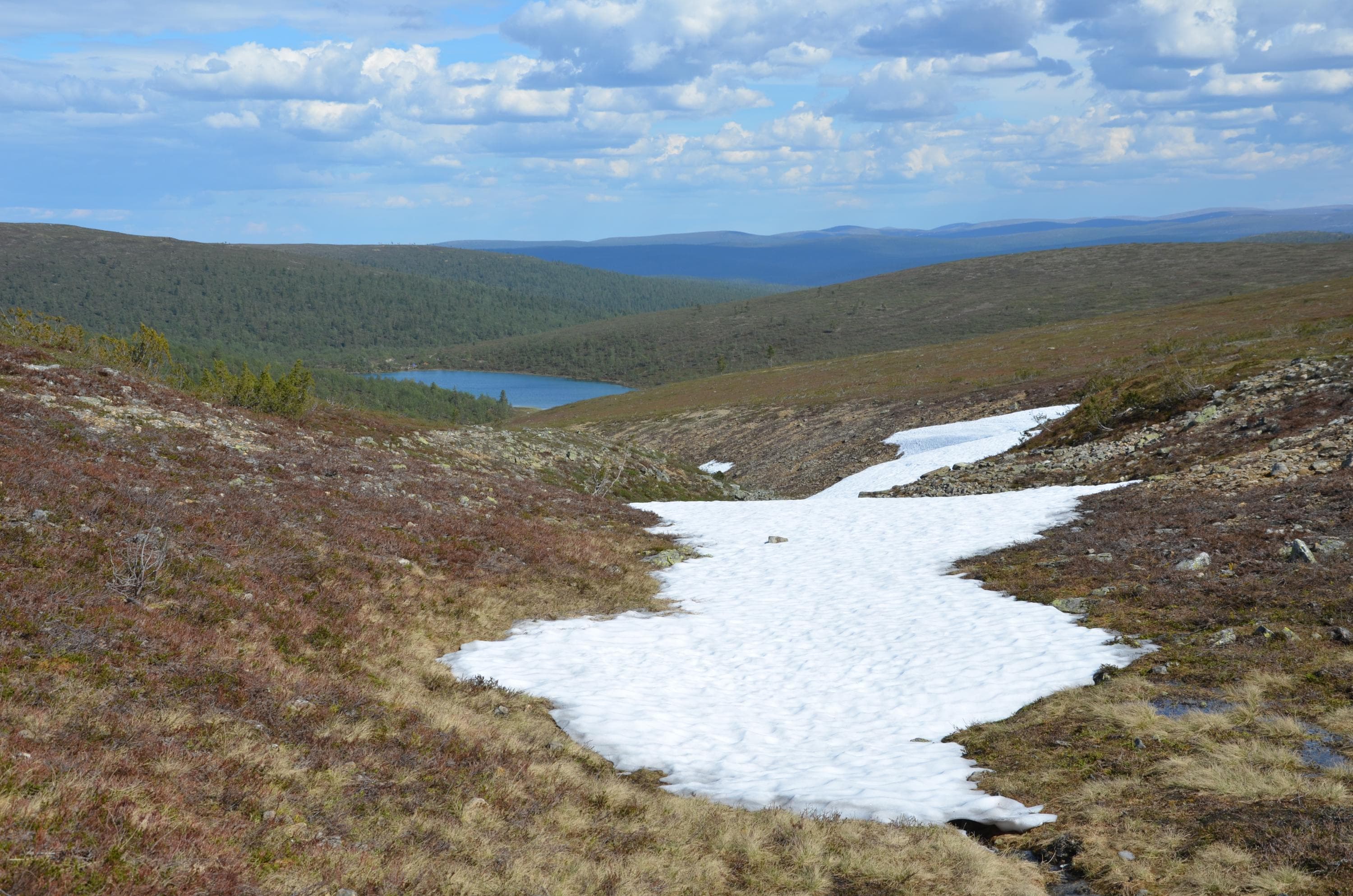
After May Day, you can often still ski for about a week, then the thaw period begins. At that time, it is almost impossible to move on skis or on foot, as the terrain is full of soft snow, slush, and meltwater. Rivers flood. Do not plan long hikes for May; it is best to stick to nearby trails.
Summer (late June–August)
Why visit:
Nature begins to turn green, and in July the entire northern landscape blooms. On the fell slopes, tiny Creeping Azalea (Loiseleuria procumbens) and Diapensia (Diapensia lapponica) , while on mires you’ll find Bog Rosemaries Andromeda polifolia, cotton grass and cloudberries. The first cloudberries ripen in late July, and by late August the first autumn colours appear.
Summer is a good time for day hikes and overnight tent trips. In summer, you can reach the Sompiojoki ford and the wilderness zone of the park by car via Aittajärvi and Kuutua roads. These roads are not maintained in winter.
Crowds:
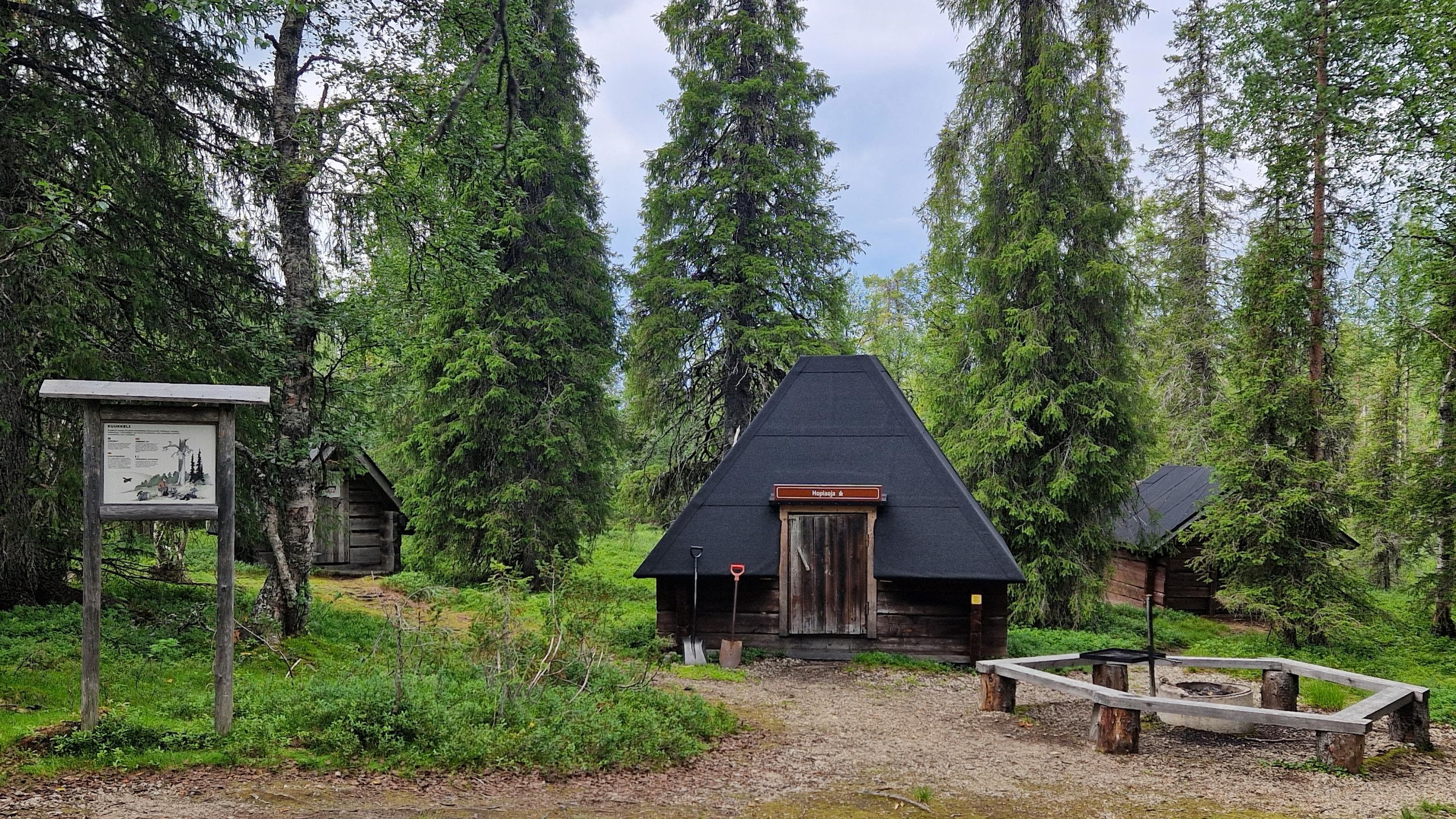
The busiest times are on popular walking and cycling trails and during summer nature and sports events. In the remote zone, you will mostly meet other hikers near huts. Never rely on finding free sleeping places in open wilderness huts. Always book huts in advance and bring a tent or other accommodation.
Weather conditions:
In June and July, you can hike through the midnight sun. In Saariselkä, the sun does not set at all between 22 May and 20 July.
Mosquitoes occur especially in lowlands, wetlands, and riverbanks, particularly when there is no wind. Humidity increases mosquito numbers. On the fells, above the treeline, it is almost always windy and mosquitoes are not a problem.
Even if you stay in a hut, it is good to bring a mosquito net.
Several days of rain can raise river levels in summer. After the rain ends, the summer flood subsides fairly quickly.
Autumn (September)
Why visit:
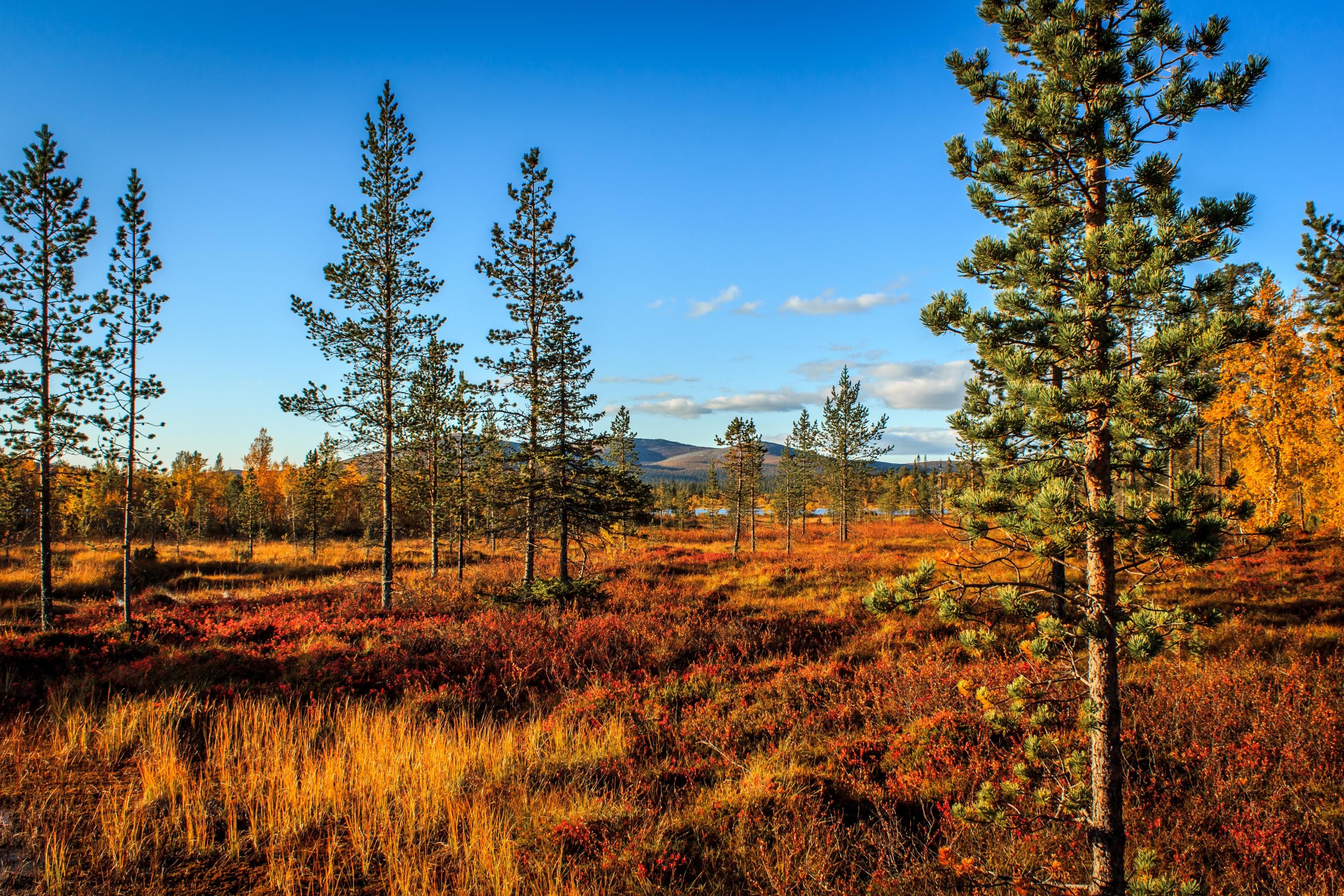
In September, autumn colours are at their best. You can enjoy them until late September, when autumn storms blow the leaves off the trees. Ground-level colours last longer, until the snow arrives. Northern lights begin to appear in the northern sky as daylight decreases.
Crowds:
September is the busiest time of year for hikers in Urho Kekkonen National Park. Trails and car parks are crowded. Even in the remote zone, there are many hikers during the autumn colour season. At Aittajärvi car park, some drivers have to park along the forest road.
Even at the busiest times, when hiking in the remote zone, you may only meet other hikers in the evening at the hut. Book huts early and bring a tent or other accommodation.
Weather conditions:
In September, nights are already dark. Frost may occur at night. The first snow often falls in September, and sometimes a permanent snow cover arrives by late September. Autumn rains can cause flooding in rivers, and the terrain is generally wetter.
Winter (October – April)
Why visit:
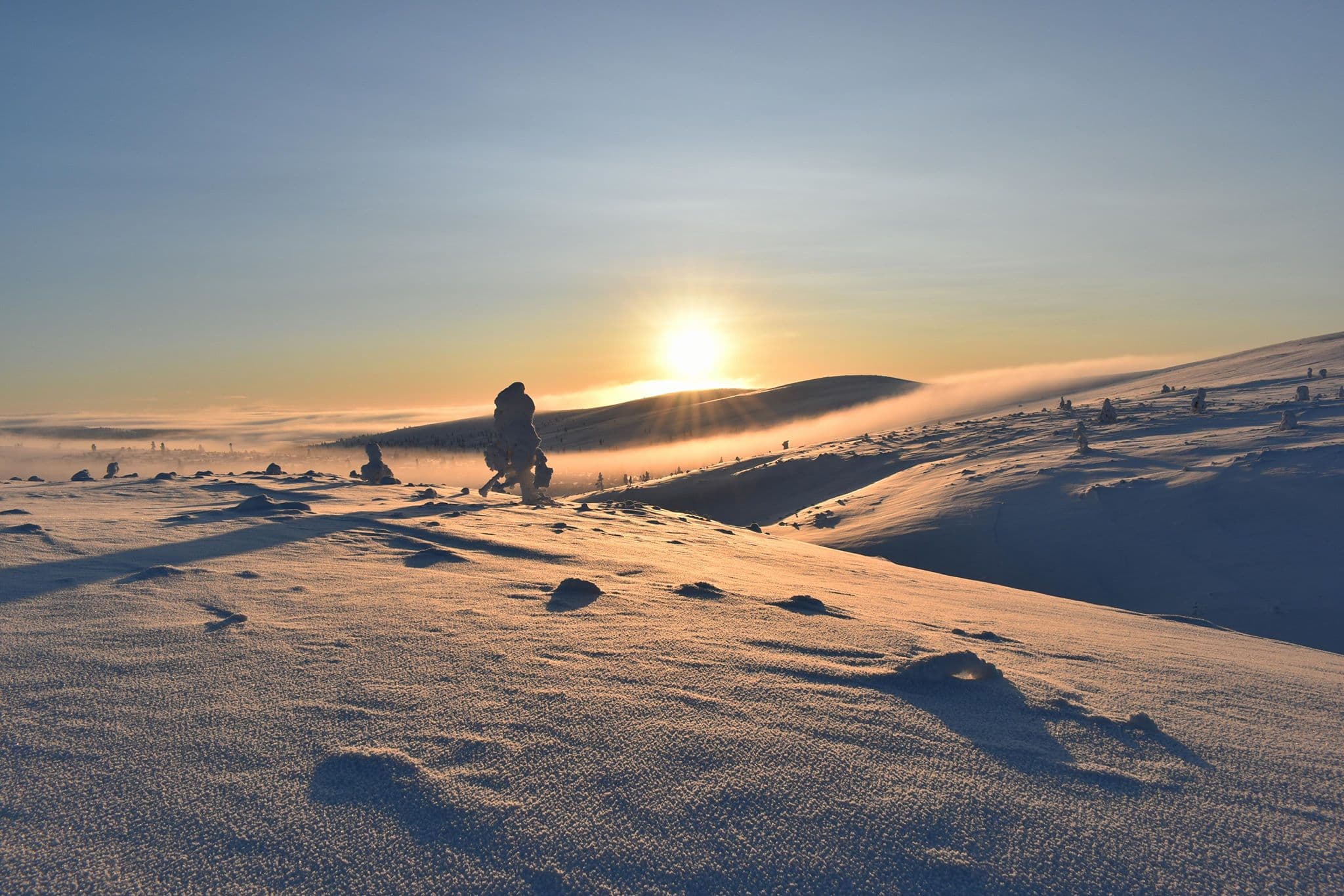
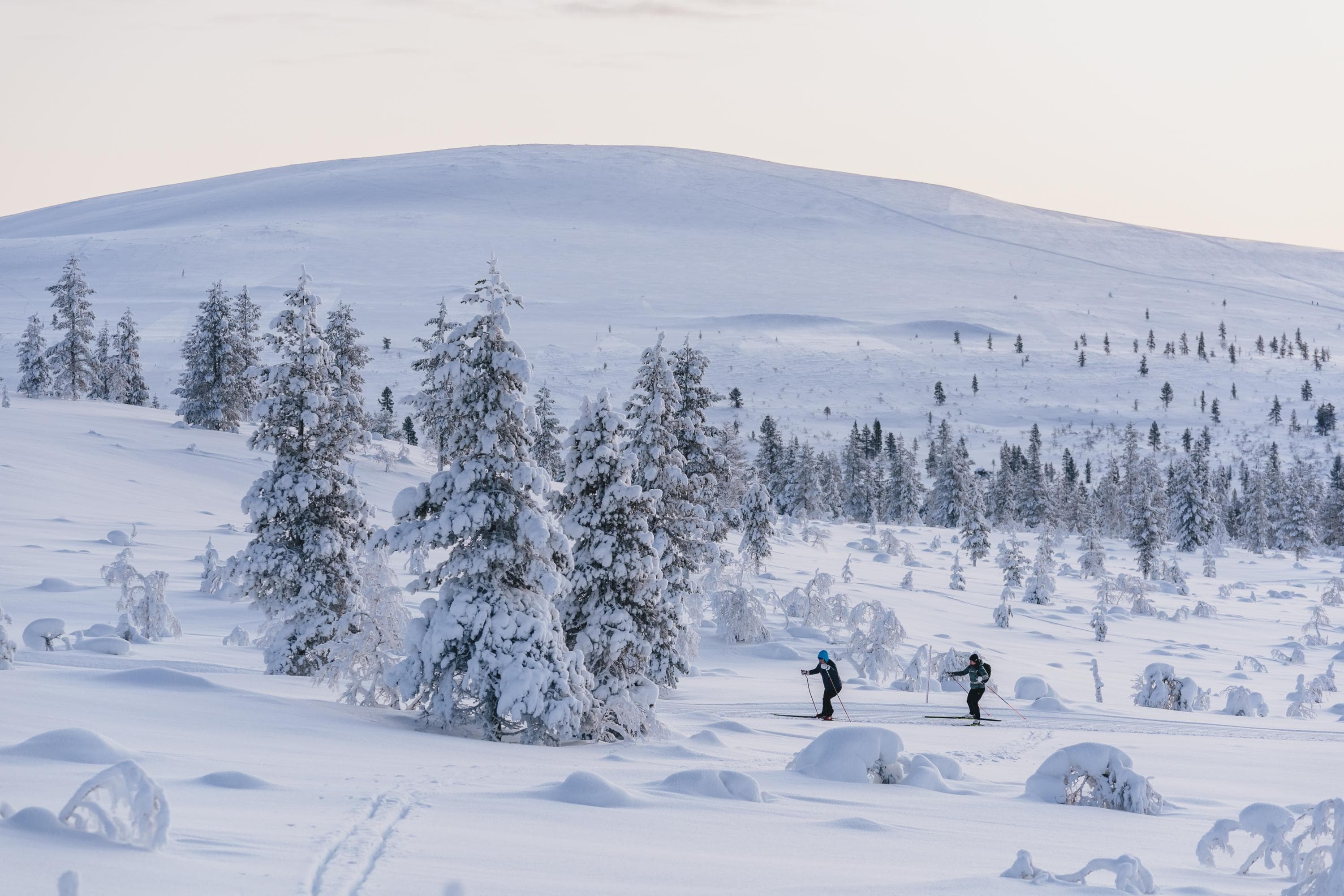
Frost, snow in its many forms, magical light, northern lights, and the northern starry sky create the perfect setting for a winter hike. There are excellent opportunities to experience winter in Urho Kekkonen National Park for more than half the year.
Crowds:
The busiest time of the winter season is in late spring, when daylight increases rapidly. The most crowded period is around Easter. At that time, ski tracks are busy, and even in the remote zone there are many backcountry skiers.
Weather conditions:
In October, hiking is usually still on foot. There may be some snow, but not enough for winter activities. Do not plan long hikes in October, as a snowstorm can surprise you and make movement difficult. Crossing waterways can also be problematic as autumn turns to winter.
Usually byNovember, ski track preparation can begin, and the first tracks open. As snow depth increases, the ski track network expands. The last tracks to open are those crossing the fells. In the remote zone of Urho Kekkonen National Park, there are no marked, regularly maintained ski tracks.
December–January is the darkest time of the year. At the latitude of Urho Kekkonen National Park, the polar night lasts from 4 December to 8 January. During this time, the sun does not rise above the horizon. There is plenty of snow for winter activities, but darkness and frost make winter hiking demanding. Even in nearby areas, hikers must take midwinter conditions into account and bring lamps and power banks, warm clothing, and extra food. For longer hikes, you need experience in winter trekking and navigation in fell terrain.
January–February is the coldest time of the year. Temperatures can be as low as −30 to −40 degrees Celsius throughout the day. Daylight increases gradually, but the sun does not yet provide warmth. Conditions are very wintry.
March is statistically the wettest month of the year. There can be a lot of snow and still snowfalls. In March, the sun warms somewhat during the day, but nights are still very cold. The entire ski track network in the Saariselkä–Kiilopää area is usually open when Finnish school ski holidays begin.
In April, the sun warms, but nights can still be cold. The April sun melts and night frosts freeze the snow cover, creating a hard crust. In April, follow the temperatures. When it freezes at night, the crust carries your weight. If daytime temperatures rise above zero, the crust begins to soften. In April, it is best to start early in the morning. If there is no frost even at night, there is no crust.

Always leave your route plan and schedule with someone.