Nature reserves have been established primarily for research purposes, which means that only parts of them are open to hikers. Kevo is Finland’s largest nature reserve and a demanding destination due to its wilderness character and geological formations.
Nature reserves are more strictly protected than national parks, and in Kevo hikers must take into account the restrictions on movement. During the snow-free season, movement is permitted only for a limited time and exclusively on marked trails. Here are some tips on when it is worth visiting Kevo and what you need to keep in mind.
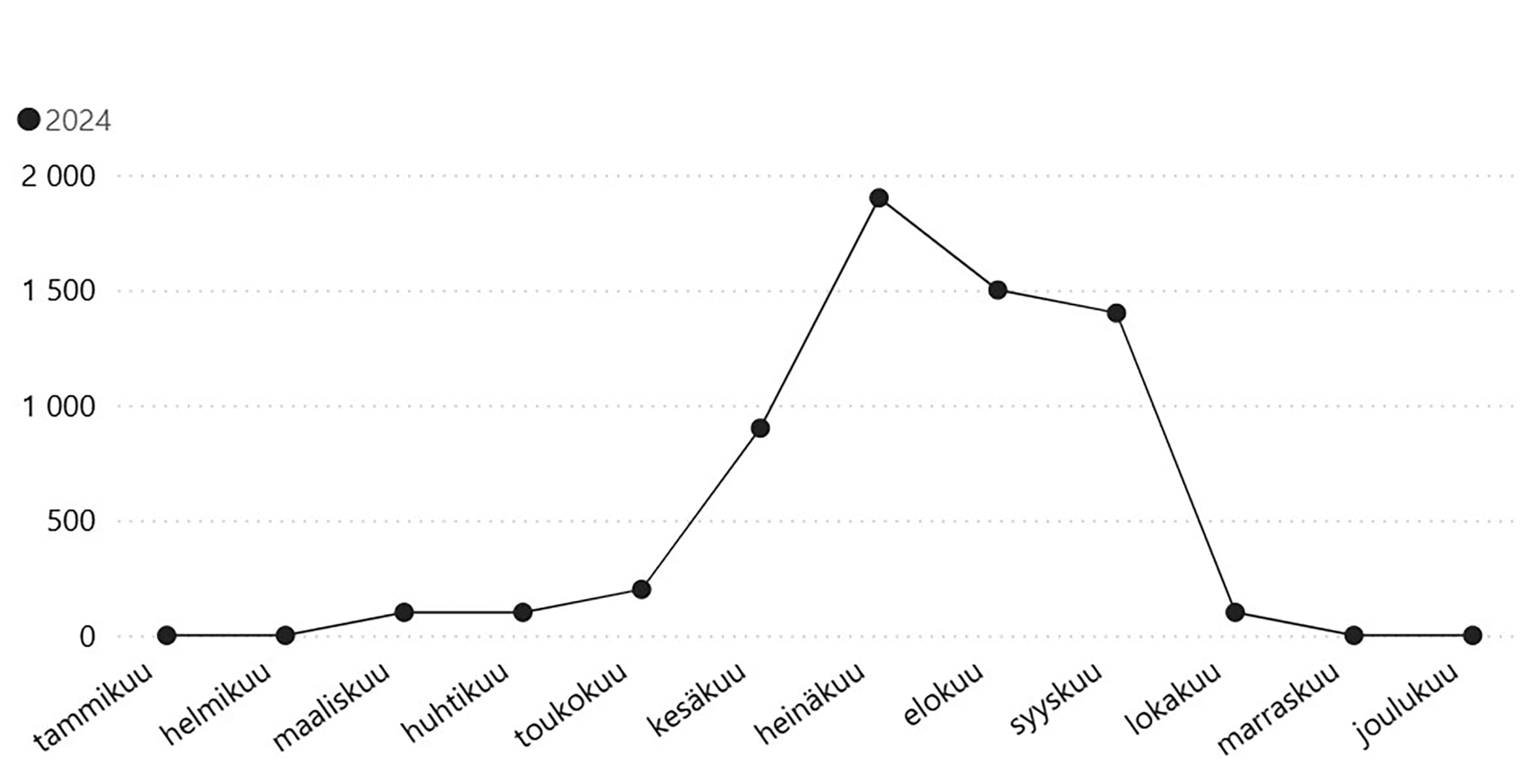
In 2024, there were approximately 6,300 visits to the Kevo Strict Nature Reserve.
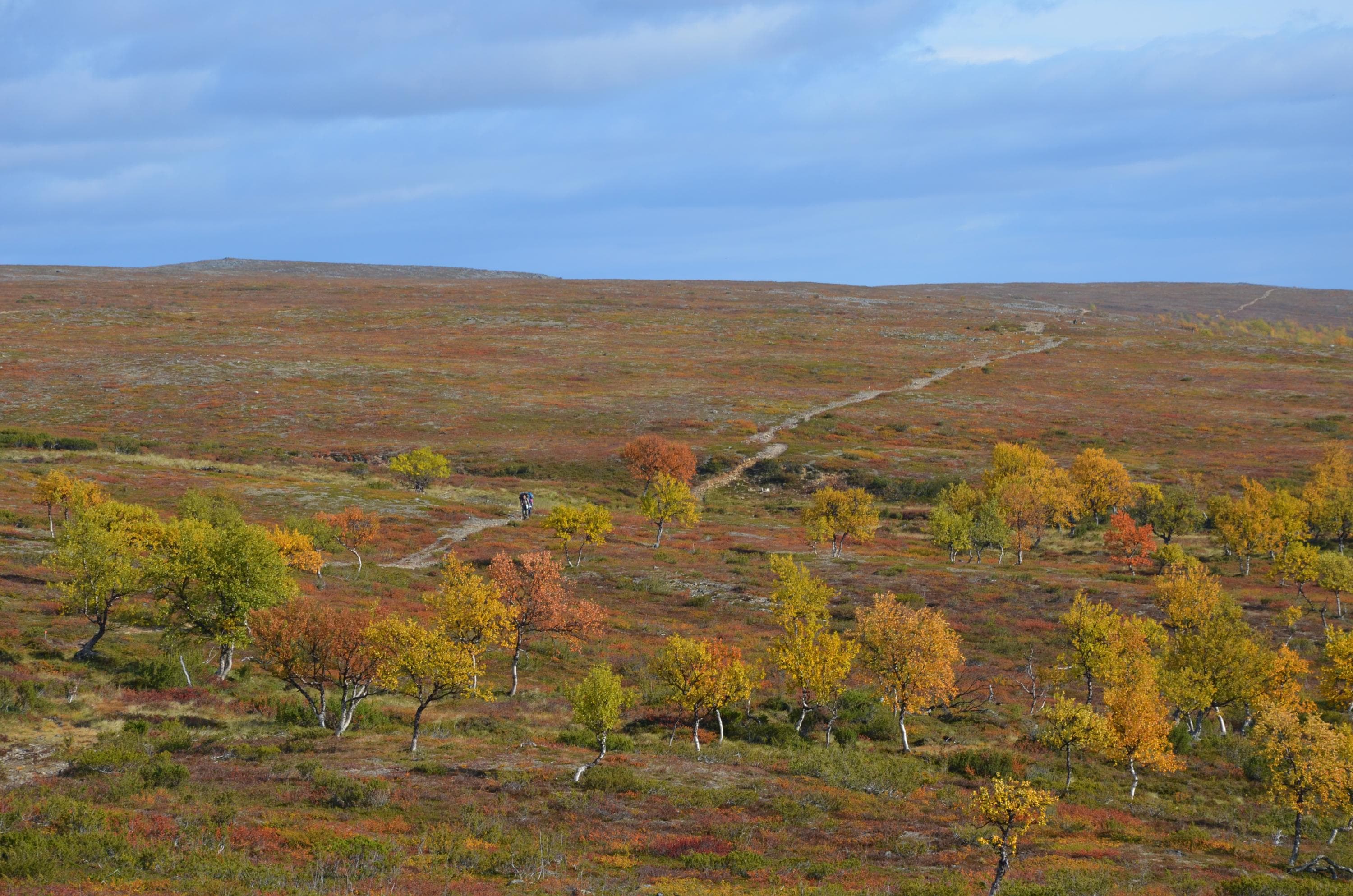
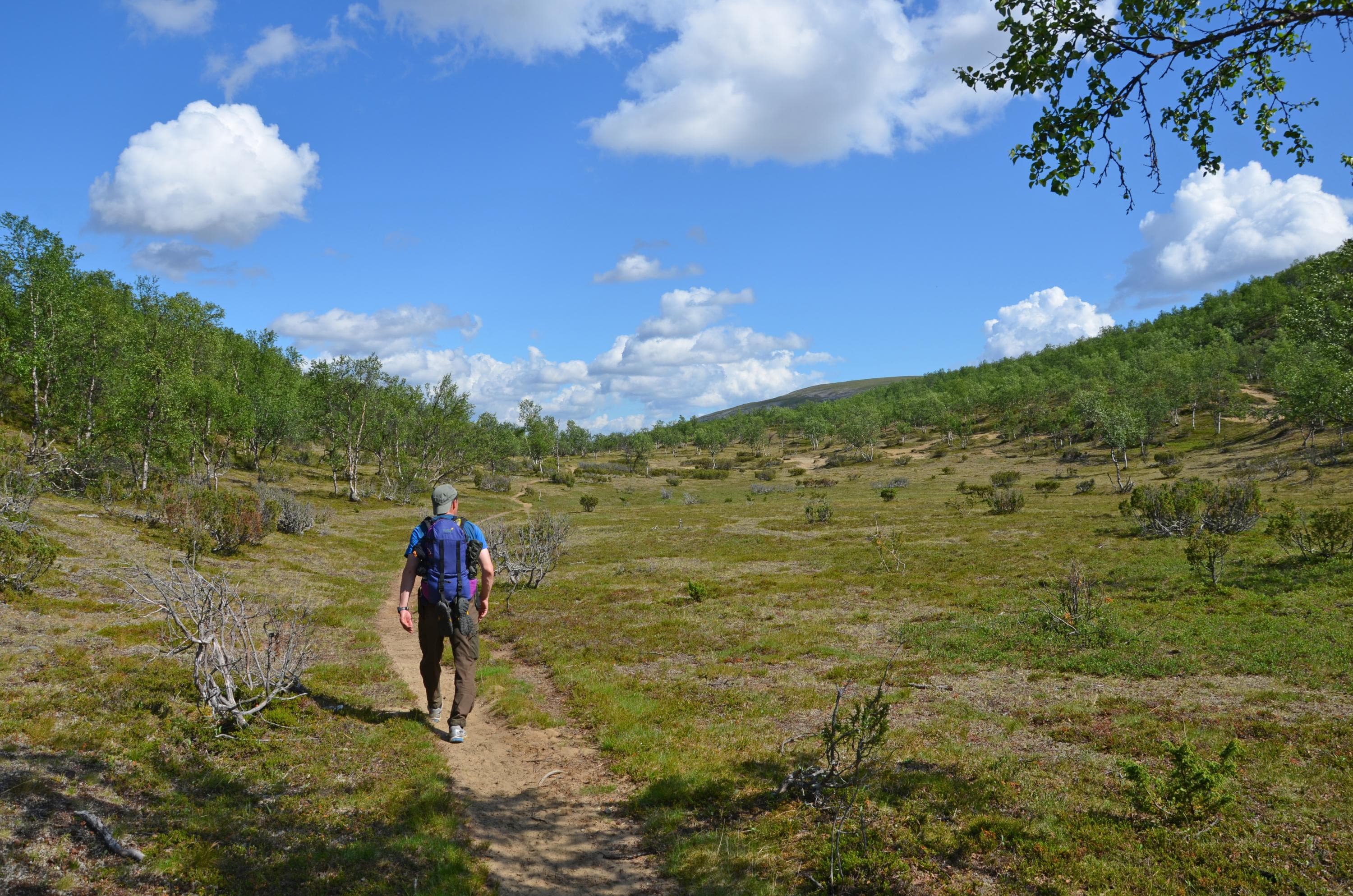
Summer and autumn (May–October)
Why visit:
The Kevo Strict Nature Reserve features extensive fell heaths and boulder fields, with vistas stretching to the horizon. The fell plateaus are fragmented by aapamires and small lakes. At the heart of the reserve opens a canyon—the largest gorge valley in Finland—which leaves no one unimpressed. The canyon is a habitat for many rare animal and plant species.
When to visit:
During the snow-free season, the section of the Guivi Trail that runs across the fell area is open to walking from 1 May to 15 October. In the restricted zone of the gorge valley, hiking is permitted between 15 June and 15 October.
On the Kevo Trail, which passes through the Kevo canyon area, travel on foot is allowed between 15 June and 15 October. Please note that the Guivi Trail can be completed as a circular route only when movement on the Kevo Trail is also permitted.
In the Kevo Strict Nature Reserve, movement is allowed only on the marked trails during the aforementioned periods.
Crowds:
The busiest month of the summer season is July, but there are only slightly fewer hikers in August and September. You will not encounter large crowds in Kevo. In summer, movement is strictly limited to two marked, partially overlapping routes. At peak times, rest and camping sites may feel somewhat crowded.
Weather conditions:
Weather conditions in the Kevo Strict Nature Reserve can change rapidly, and hikers should be prepared for variable conditions even in summer. Daytime temperatures typically range between 10–20 °C, but can on some days rise considerably higher. Along the Guivi Trail, the only shaded spots are by the huts. Make sure you carry enough drinking water between stages. Nights, by contrast, can be cool. Rain and wind may arrive unexpectedly, and mosquitoes are plentiful, especially in July.
In spring and after heavy rain, the water level of the Kevojoki River can rise and make fords difficult or even impossible to cross. The Kevo canyon route is sometimes temporarily closed due to flood-level waters. Any closure information is announced on the Kevo Strict Nature Reserve “current issues” page.
In autumn, when the prevailing wind shifts to the north, it is worth considering travelling the Kevo Trail from north to south, so that the chilly autumn winds blow from behind.
Winter and early spring (October–April)
Why visit:
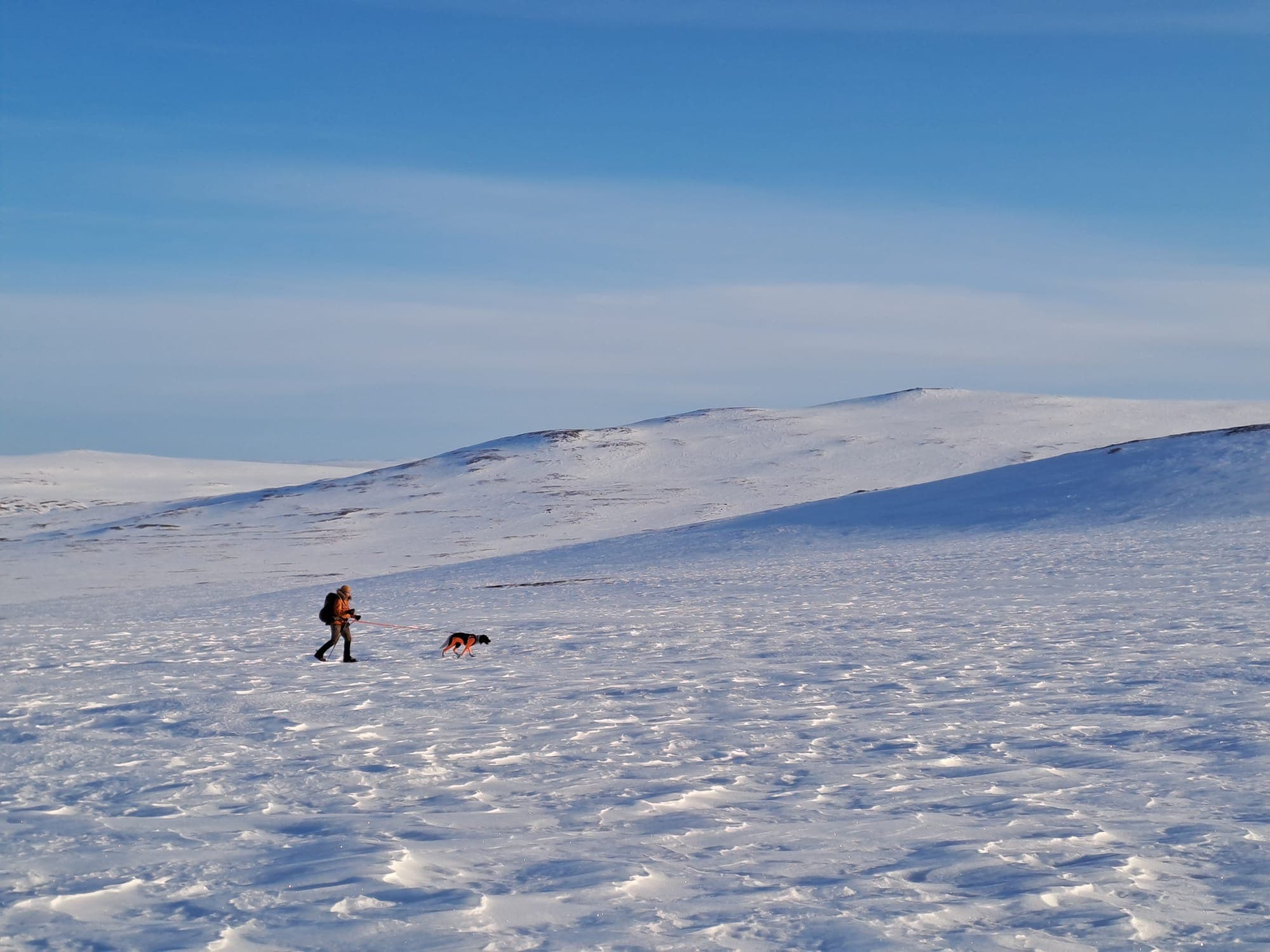
For those skilled in winter hiking and wilderness travel, the Kevo Strict Nature Reserve is a dream skiing destination. Winter in Kevo is long and there is ample deep, unbroken snow. The fells and extensive mires offer varied skiing terrain. There is no maintained track network in the reserve, and winter hiking conditions can be extremely demanding.
Visiting the Mádjohka open wilderness hut is only possible on skis, as there is no marked summer route to it.
The Kevo canyon area is best admired from the fell area. The canyon is truly challenging and, due to avalanche risk, in places also dangerous for winter hiking.
When to visit:
Winter is a quiet time in the Kevo Strict Nature Reserve, with only a few hundred visitors over the entire season. Winter hiking is concentrated in early spring, when daylight lasts longer than in mid-winter. The best time for a ski trek is March–April, when hard, supportive snow (“kantohanki”) enables smoother progress.
In the fell area, skiing is permitted from 16 October to 30 April.
In the Kevo canyon area, skiing is allowed between 16 October and 31 March.
Weather conditions:
In winter, Kevo is often very cold, and temperatures can fall below −30 °C. Winter hiking requires careful preparation and experience, as there are no maintained or marked winter routes in Kevo. In mid-winter, skiers must remember that there are only a few hours of daylight.
Long day stages cannot therefore be covered in the available light. In the Kevo Strict Nature Reserve, camping is allowed only at designated rest sites and in the immediate vicinity of huts. This applies to winter skiers as well.