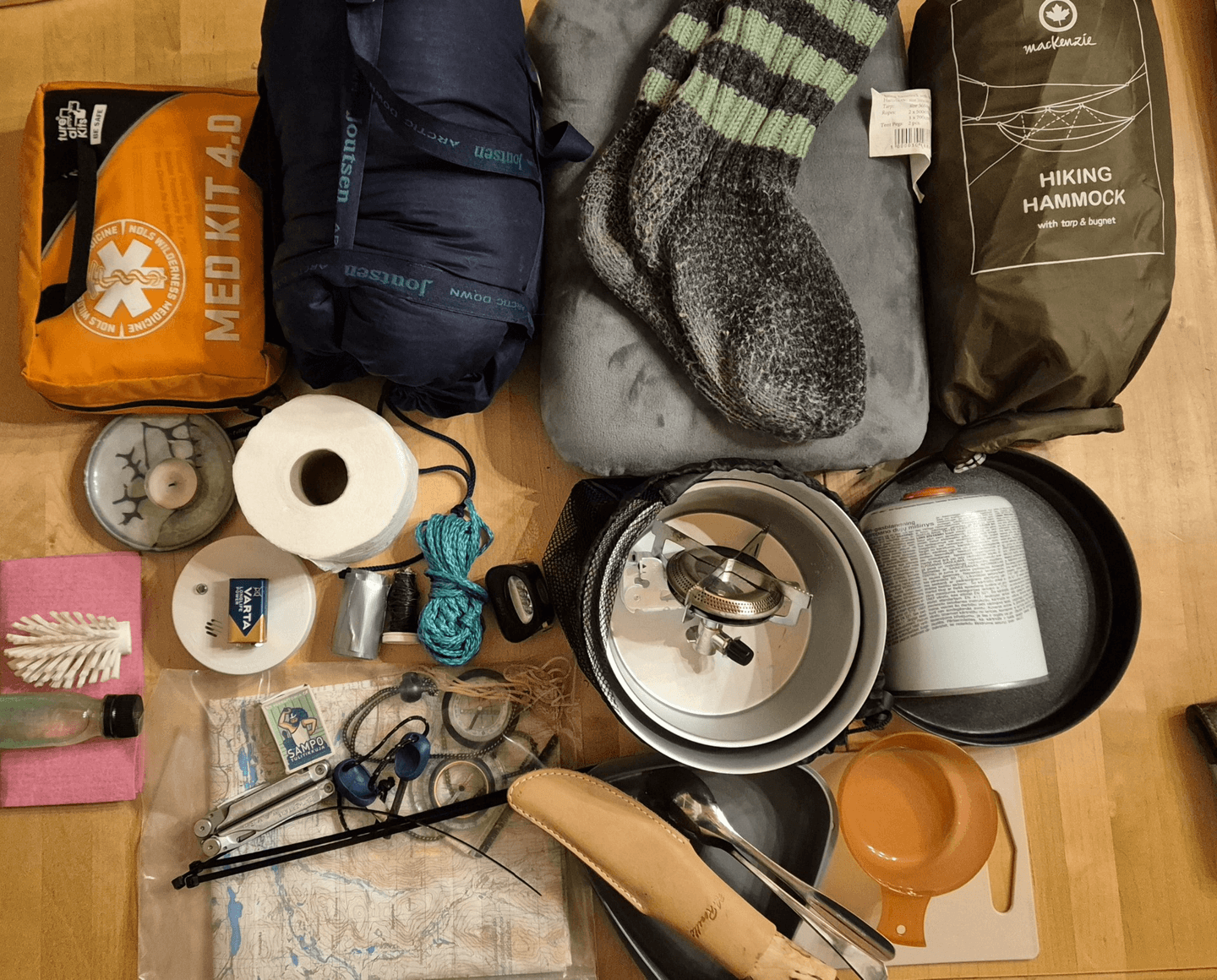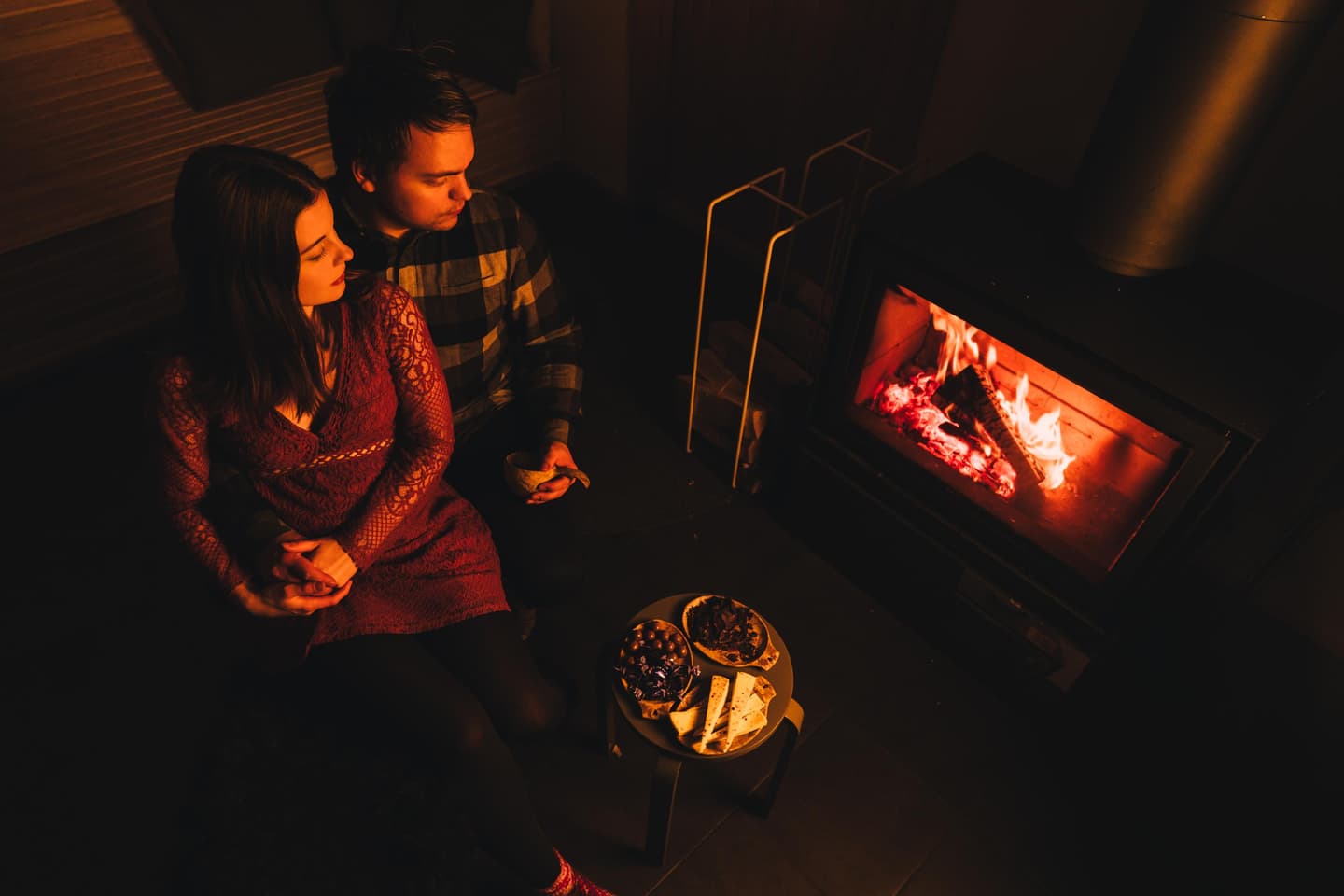
Many huts used by hikers are in remote locations, have limited facilities and are serviced infrequently. This makes your own equipment, problem-solving skills, advance planning and appropriate conduct at the hut especially important. Every visitor has an impact on how clean and pleasant the hut remains for those who come after them.
We hope these tips will help you plan your hut trip. We wish you memorable and safe adventures in nature!
Find out in advance what is available at the reservable or rental hut
The first tip is to check at home what the hut provides. Although most reservable and rental huts have facilities such as a gas cooker, wood-burning stove and mattresses, equipment varies from one location to another. Detailed information about each hut’s facilities is available on Eraluvat.fi, and it is worth checking before you start packing.
When you know what is available at the hut, you can avoid both carrying unnecessary items and unpleasant surprises.
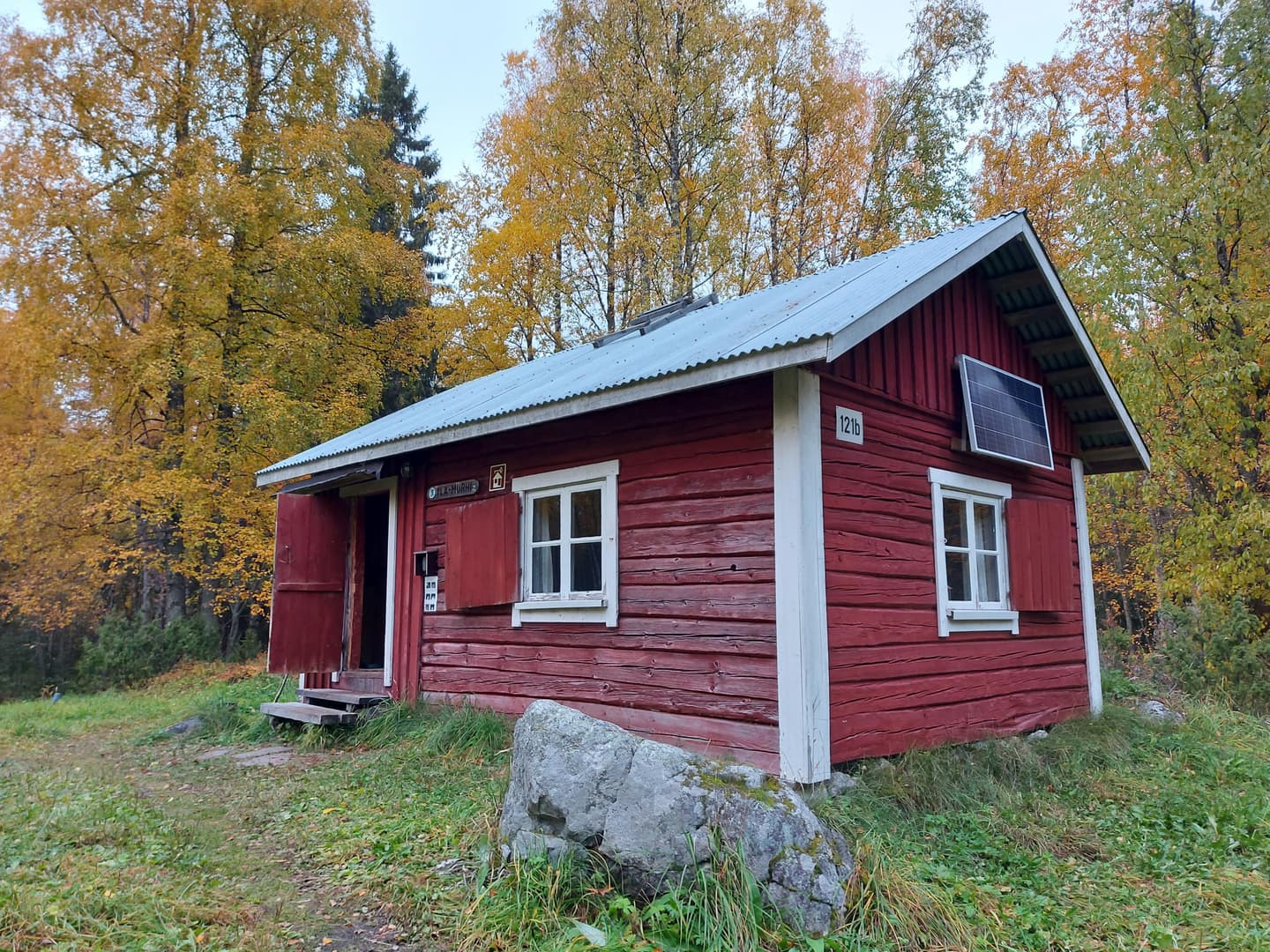

Make sure you have the hut’s key code before setting off into the terrain. We recommend taking a paper copy of the code with you.
Take a sleeping bag, camping stove and backup shelter even on a hut trip
Reservable and rental huts usually provide mattresses and pillows, and sometimes even blankets, but you should use a sleeping bag and pillowcase with them. A duvet cover is another option, especially in summer, as it is pleasantly light and takes up little space.
You will need your own eating utensils. A mug, plate, spoon, fork and knife are usually sufficient.
For more remote areas and longer trips, pack a backup shelter. A tent or other weatherproof shelter may prove invaluable if the weather or unexpected events change your plans.
Most huts have a gas cooker, but the gas may run out or the cooker may develop a fault. It is therefore useful to pack your own camping stove and matches. At many huts, food can also be cooked on the hotplate of the wood-burning stove, which also saves gas.

Maintain good hygiene
Huts do not provide toilet paper, hand sanitiser, washing-up equipment or other hygiene supplies, so you must bring them with you. Pack at least toilet paper, hand sanitiser, wet wipes and your own personal hygiene items.
Wash dishes and yourself far enough away from lakes, rivers, wells and other water collection points to keep drinking water clean.** A collapsible water container or water bag** also makes managing your drinking water easier. It takes up little space and is a more hygienic option than the hut’s communal water container.
First-aid supplies can save your trip
First-aid supplies are an important part of a hiker’s equipment, as even minor injuries can make a hike considerably more difficult. On every trip, carry at least plasters, dressings, blister-care supplies, cleansing wipes and any medication you need. A well-stocked first-aid kit will help you treat the most common injuries and continue your trip more safely, even when help is far away.
Store food so that it does not attract animals
An odour-proof, airtight food bag helps keep your provisions beyond the reach of mice, voles and other animals. Careful cleanliness is the best way to prevent animals from visiting the hut.
Do not throw food scraps in the hut grounds. A small amount of food waste may be placed in the composting toilet.
A rubbish bag is an essential part of your hut-trip equipment, as huts do not have waste collection services.
Small items that can make a big difference
- In autumn and winter, candles provide light and atmosphere. If you use them, bring a fireproof base, as one may not be available at every hut.
- On a winter trip, lock de-icer may prove invaluable if freezing temperatures have frozen the lock on the door or key box.
- Warm woollen socks or lightweight indoor slippers make the hut more comfortable, as the floor can feel cold, especially in autumn and winter.
- Always pack a multi-tool and a small roll of strong tape. You can use the tape, for example, to repair a hole in your clothing.
- Use cord to hang up a dry bag containing your food and to dry equipment. Do not put up cord above the wood-burning stove, as this creates a fire hazard. Do not leave cord at the hut; pack it out with you.
- An increasing number of huts have smoke detectors with long-life batteries that cannot be replaced by visitors. A smoke alarm, takes up hardly any space but may be invaluable if the smoke alarm at the hut is not working.

If you notice anything missing or in need of repair at the hut, contact the hut’s maintenance provider no later than after you return from your trip. You can contact Metsähallitus Parks & Wildlife Finland using the contact form. For matters concerning huts, you may contact the Metsähallitus Parks & Wildlife Finland hut helpline (eraluvat.fi).
Checklist for packing
• Booking confirmation and key code
• Sleeping bag
• Pillowcase or camping pillow
• Eating utensils
• Camping stove and matches
• Multi-tool
• Tent or other backup shelter
• Toilet paper and hygiene supplies
• Washing-up equipment
• Water container
• First-aid kit
• Cord and tape
• Odour-proof, airtight food bag
• Earplugs
• Candles and a fireproof base
• Head torch
• Lock de-icer for winter trips
• Woollen socks or indoor slippers