Water recreation etiquette
Small actions, big impact – explore the Water recreation etiquette.
1. Respect protected areas
Protected areas are governed by regulations that may restrict access, camping, and open fires. These rules help protect sensitive habitats, birds, seals, and aquatic ecosystems.
On the Luontoon.fi service, you can view state-owned protected areas, restricted zones, and seasonal access restrictions on a map.
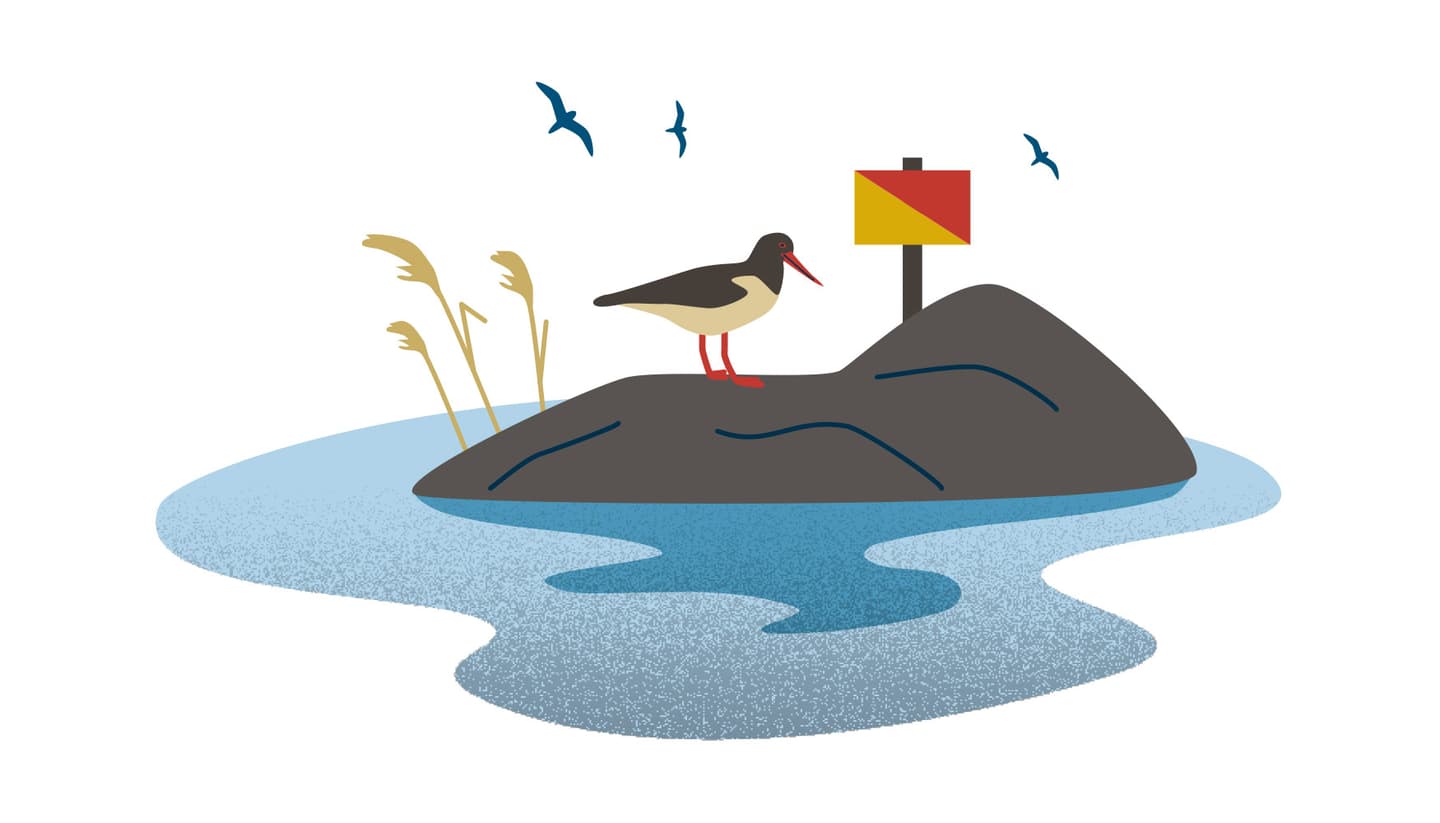
Do not land on bird nesting islets. In Lake Saimaa, respect the protection of the endangered Saimaa ringed seal.
When boating, use marked fairways whenever possible. When paddling, avoid busy boating routes.
In nature reserves, campfires are permitted only at designated fire sites. Never light a fire directly on bare rock, as it can damage the surface and increase the risk of wildfire. Always check wildfire warnings before making a fire.
Remember the Outdoor Etiquette: Leave no trace and take your rubbish away with you, keep pets on a leash and show consideration for other visitors.
2. Operate your craft responsibly
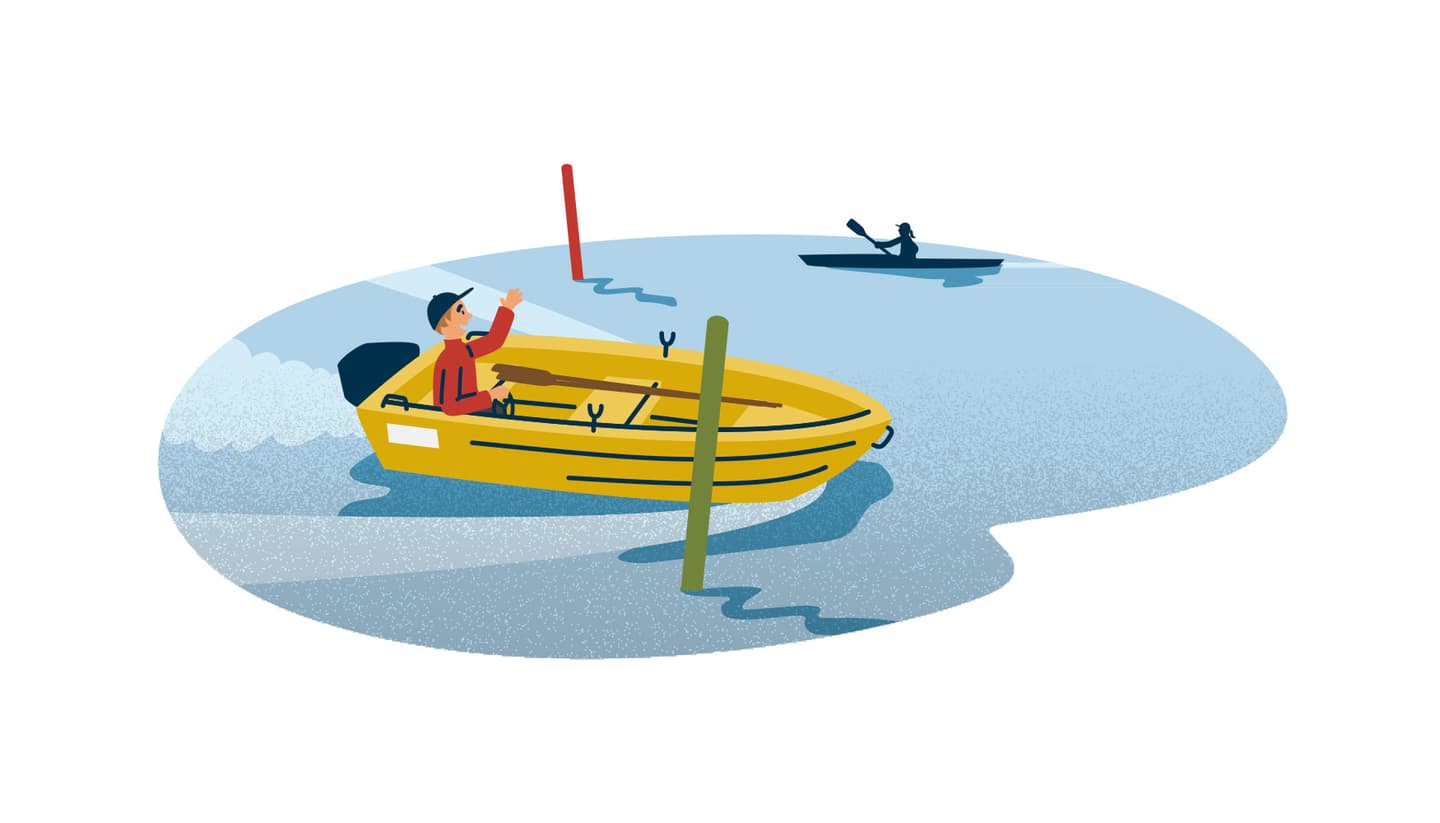
Choose a fuel-efficient way of travelling. It saves fuel and reduces disturbance to wildlife. Noise can alter animal behaviour and physiology and may drive wildlife away from their breeding habitats.
Excessive speed in shallow waters can damage underwater vegetation, causes resuspension of sediments, disturb bird broods, and endanger other water users.
For example, adjust your engine trim higher in shallow areas to reduce contact with the seabed or lakebed.
3. Anchor with care
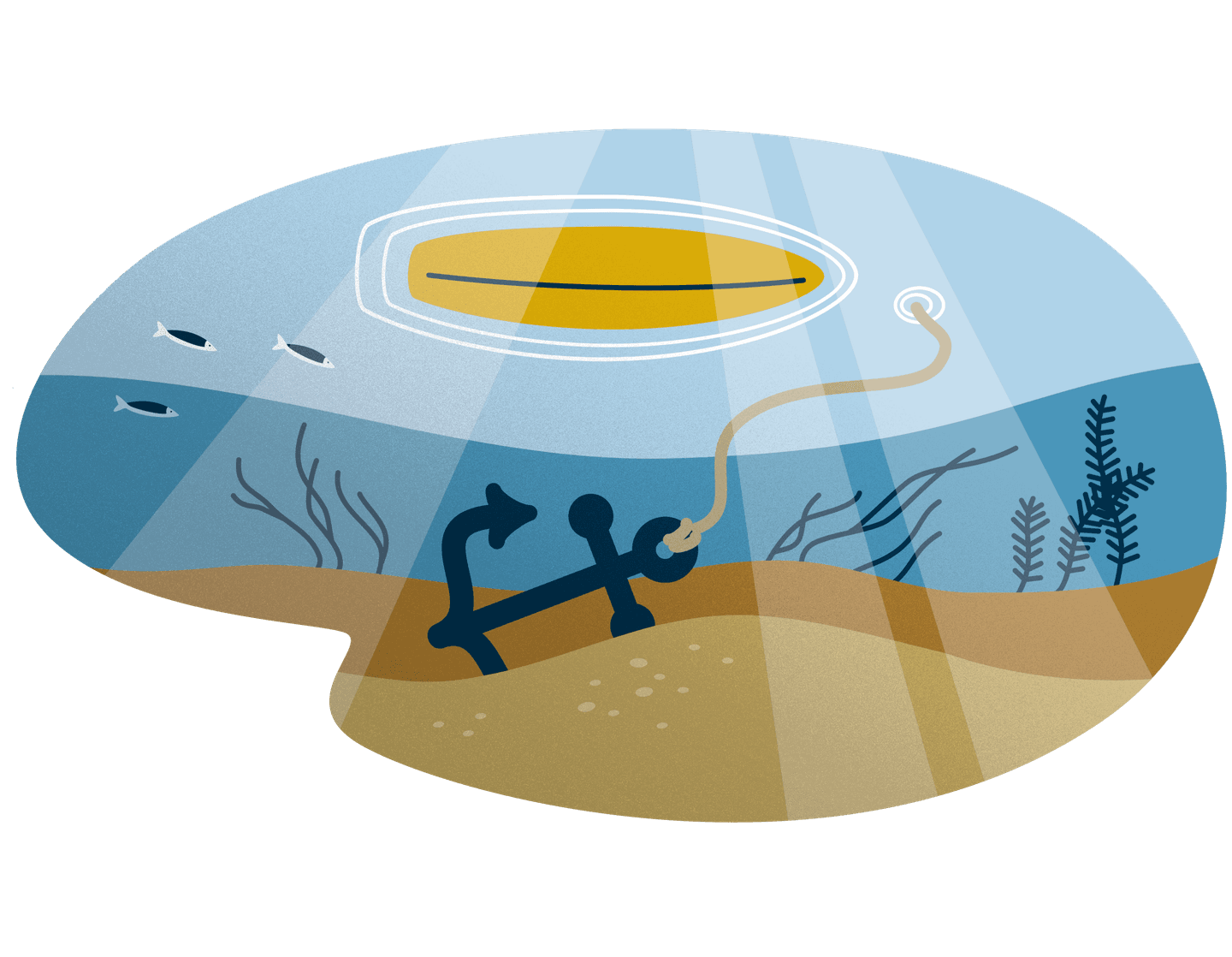
When anchoring in a natural harbour, choose a spot with a vegetation-free bottom and avoid dragging the anchor unnecessarily.
To retrieve the anchor, manoeuvre your boat directly above it and lift it vertically whenever possible.
In marinas and harbours, use mooring buoys where available.
4. Manage waste and wastewater responsibly
Whenever possible, wash dishes at shore-based facilities where wastewater is properly treated.
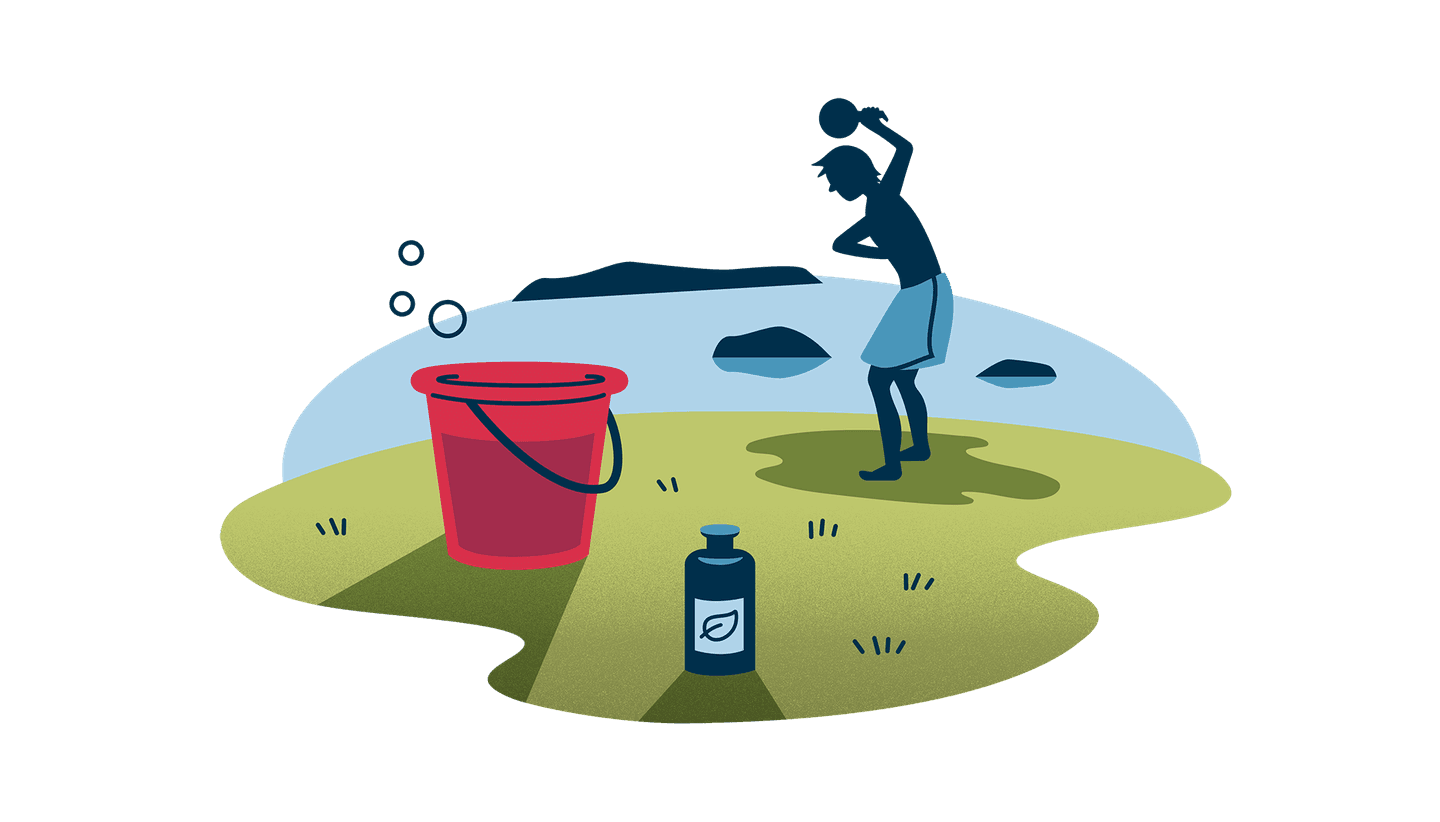
If no such facilities are available, dispose of dishwashing water on dry land well away from the shoreline. Never pour it directly into the water.
Washing yourself in nature
- Freshen up by rinsing off in the water.
- Apply soap and rinse using a bucket on dry land.
- Let the wash water soak into the ground well away from the shore.
Use public toilets whenever possible. If you need to relieve yourself outdoors, do so well away from trails and shorelines, and cover your traces carefully.
Always empty your boat's septic tank (black water holding tank) at a designated pump-out station.
5. Respect cultural heritage
Let the landscape tell its story.
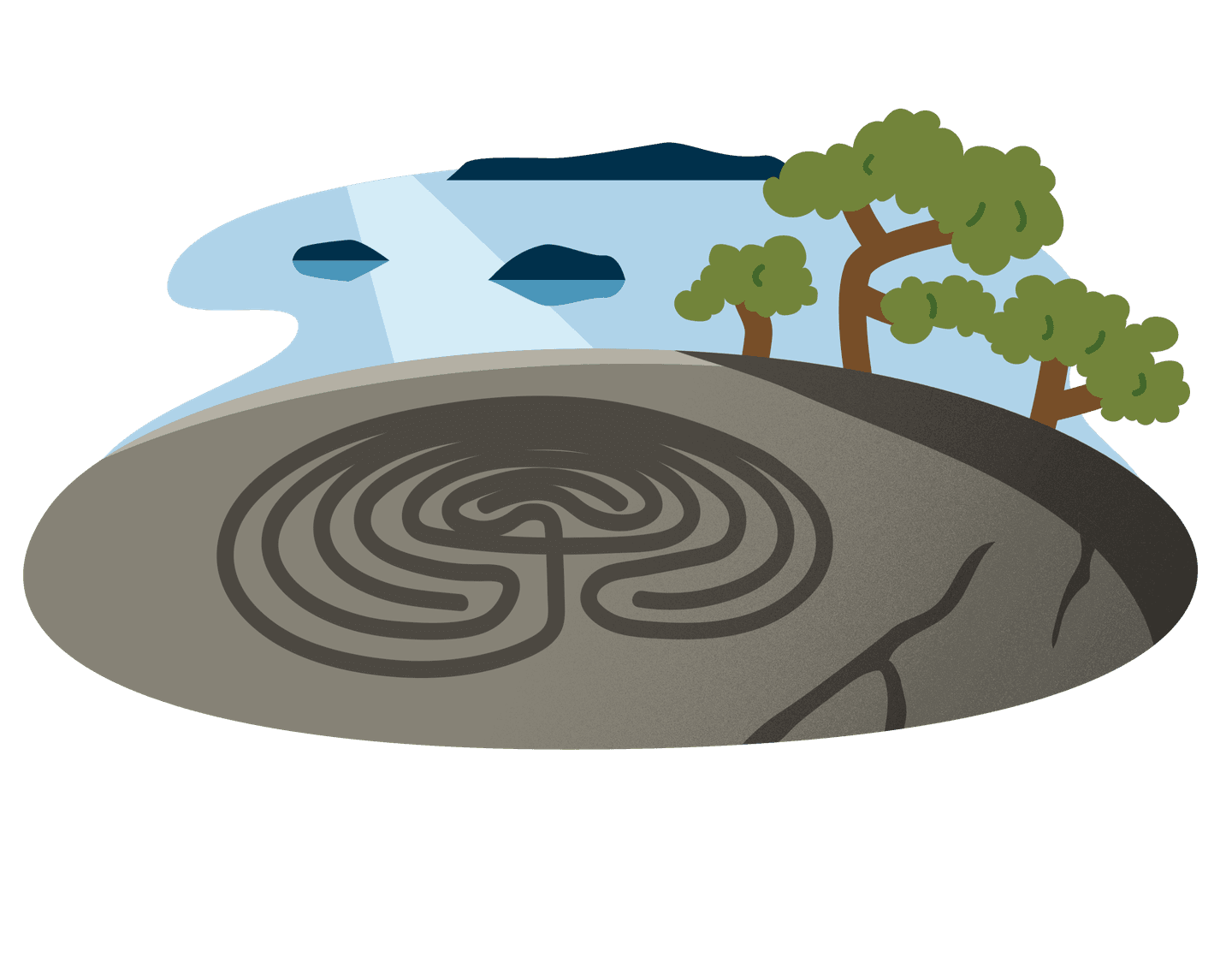
The archipelago and shorelines contain traces of centuries of cultural heritage, including birdwatchers' shelters, fishermen's stone structures, and remnants of traditional grazing landscapes.
Do not alter structures, move stones, or build new cairns.
Protected archaeological sites and ancient monuments are safeguarded by law. Disturbing or damaging them is prohibited.
6. Maintain your boat in an environmentally responsible way
A well-maintained boat and engine are safer to use and help prevent fuel and oil leaks.
Keep your hull clean to reduce fuel consumption.
Choose environmentally friendly maintenance methods, such as hull brushing, pressure washing, hull-cleaning mats, or lifting the boat out of the water during periods of non-use. Avoid harmful antifouling paints whenever possible.
Dispose of hazardous waste, such as paint residues, batteries, and accumulators, at appropriate collection points.