


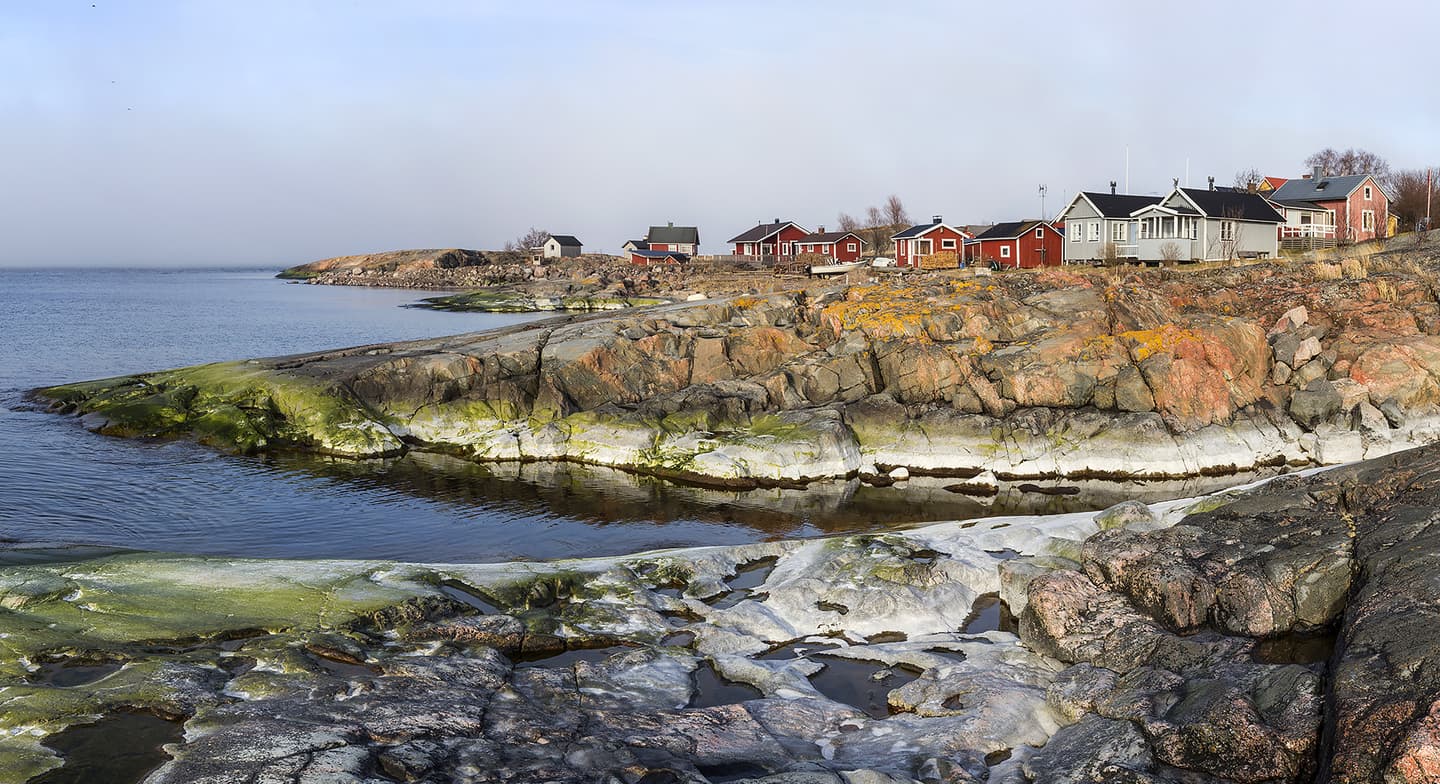
Summer, Nature experiences, Spring, Autumn, Winter
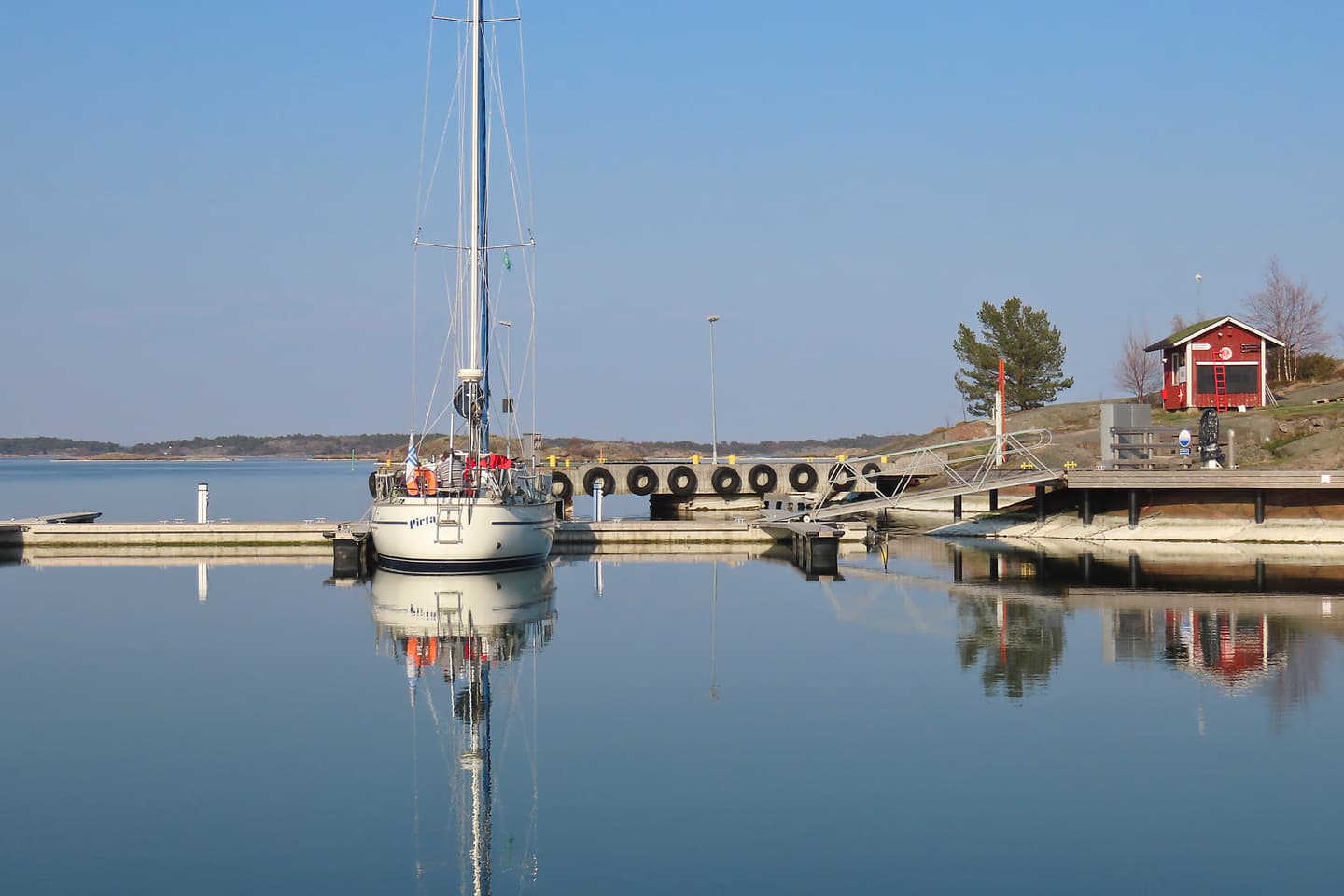
Boating and sailing offer fantastic nature experiences in three seasons, with plenty of fresh air and exercise in the heart of Finland’s most beautiful and ever-changing landscapes. Those without a boat can still enjoy boating by using public water transport, such as archipelago ferries. Many municipalities and private boat operators provide ferry services and boat taxi rentals.
Summer, Nature experiences, Spring, Autumn, Winter


In boating, the most important safety equipment is the common sense and judgement of the boater, as boats often travel relatively far from civilisation. Responsibility for the boat and the safety of its passengers rests with the captain of the boat and its owner or holder.
Each person moving around in waters should have the emergency number for the national maritime search and rescue in their mobile phone: +358 294 1000. When navigating waters, an emergency call can be made to two different numbers: at sea, to the maritime search and rescue emergency number 0294 1000 or the national emergency number 112 and, on inland waters, to the national emergency number 112.
The boat must also be safe and have mandatory safety equipment, such as life vests, oars or a paddle, anchor with rope, emptying equipment, emergency switch, distress signal devices and, depending on the size of the boat’s engine, a fire extinguisher, as well as sufficient fuel. Regular inspection of the boat helps to improve its safety.
Remember, taht lifejackets or buoyancy aids only save lives when they are worn. [Read more about safe lifejackets (traficom.fi), in Finnish] (https://www.traficom.fi/fi/veneily/veneilyn-turvallisuus/pelastusliivit-ovat-veneilijan-tarkeimpia-perusvarusteita).
Different water bodies and changing weather conditions set requirements for both boaters and the equipment. Sea areas and large open water areas in lakes can turn challenging in an instant, even on a beautiful summer day. In fact, they are safest to navigate on vessels with sufficient seaworthiness, while smaller boats are sufficient for smaller water areas. Know your boat, its features, and its limitations.
Especially on longer boating and sailing trips, pre-planning is important. Consider, among other things, the available time and equipment, the prevailing weather conditions and the location of suitable harbours. The plan may, of course, change along the way, but it does provide guidelines for the future adventure.
In waters, weather fluctuations are much more noticeable than in everyday life. A windy and rainy afternoon can quickly turn into a stunningly beautiful and calm sunset. Moving around in waters requires active monitoring of weather conditions and forecasts. You should not set off in bad weather, but you may end up in bad weather regardless, so you should reserve time for trip and route planning!
You should familiarise yourself with the water areas, harbours and landing places in advance, for example by using the maps of the area. The landing places of Metsähallitus, municipalities and recreational area associations, as well as the excursion and natural harbours with their campfire sites and camping areas are available to boaters. It is a good idea to check the services of the destination in advance on the service provider’s website.
You can enjoy excursions in water areas with Everyman's rights. In national parks or other nature reserves, you must also consider the area’s rules and regulations, which in some respects differ from Everyone’s rights. Access and landing may be restricted in certain water areas, on islands or skerries to protect birdlife or seals.

Boat septic tanks must not be emptied directly into water, but the tank must be emptied at the suction discharge station. Septic tank suction discharge station information (pidasaaristosiistina.fi, in Finnish).